
Americans Could Run Tiny Businesses Too
On the reasons behind Japan's physical microbusinesses

I have a piece over at The Freeman, on Japanese tiny businesses, and how these are explainable through identifiable aspects of the regulatory regime, rather than by some mystical aspect of the Japanese people.
By tiny businesses, I mean those little bars, restaurants, bookstores, record stores, cafes, etc., either in tiny commercial spaces or in people’s homes or accessory buildings. They’re not quite everywhere and it’s not like most people operate one, but they’re common, and they’re easy to run under the Japanese regulatory landscape.
Places like this, for example:
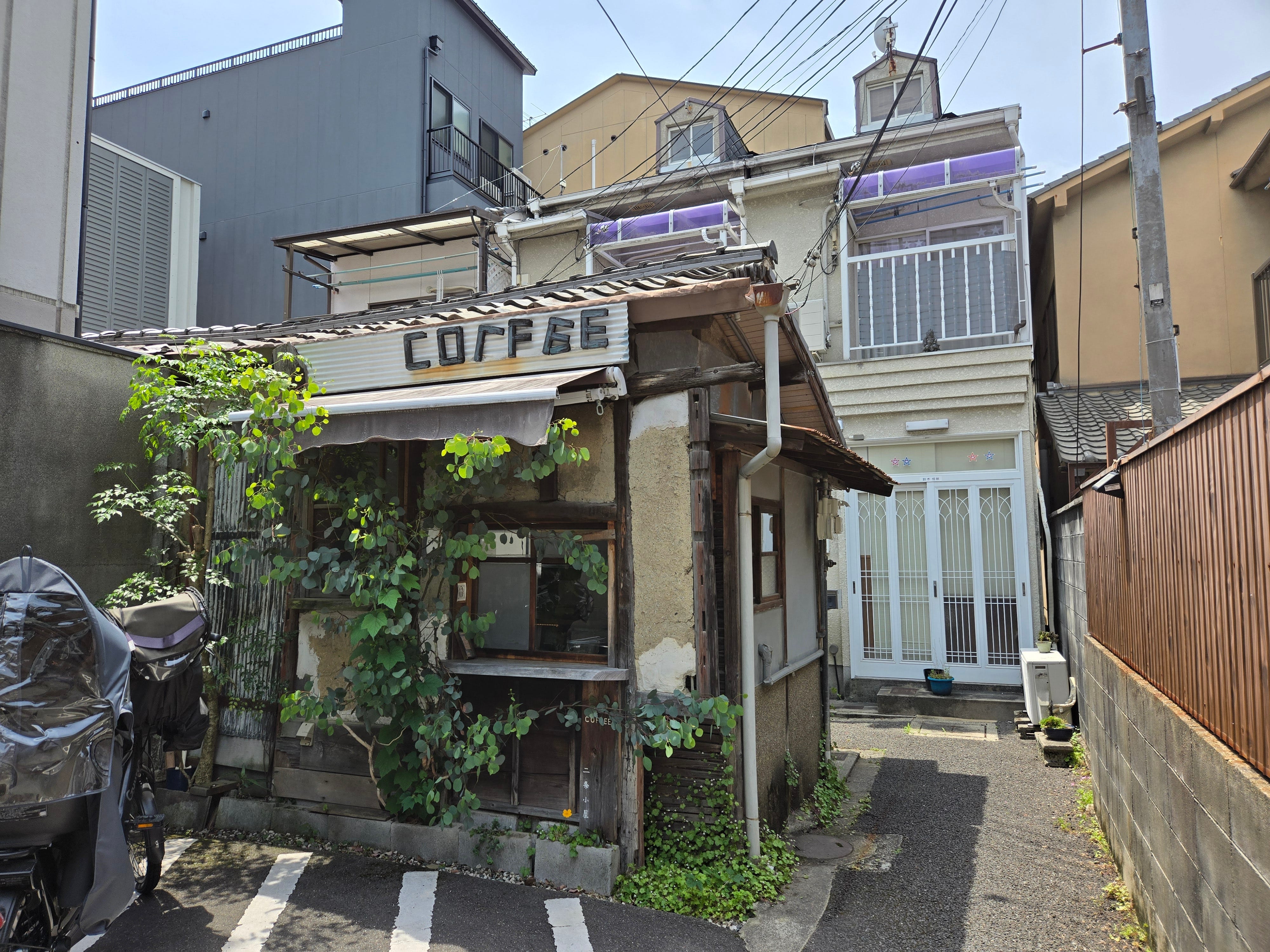
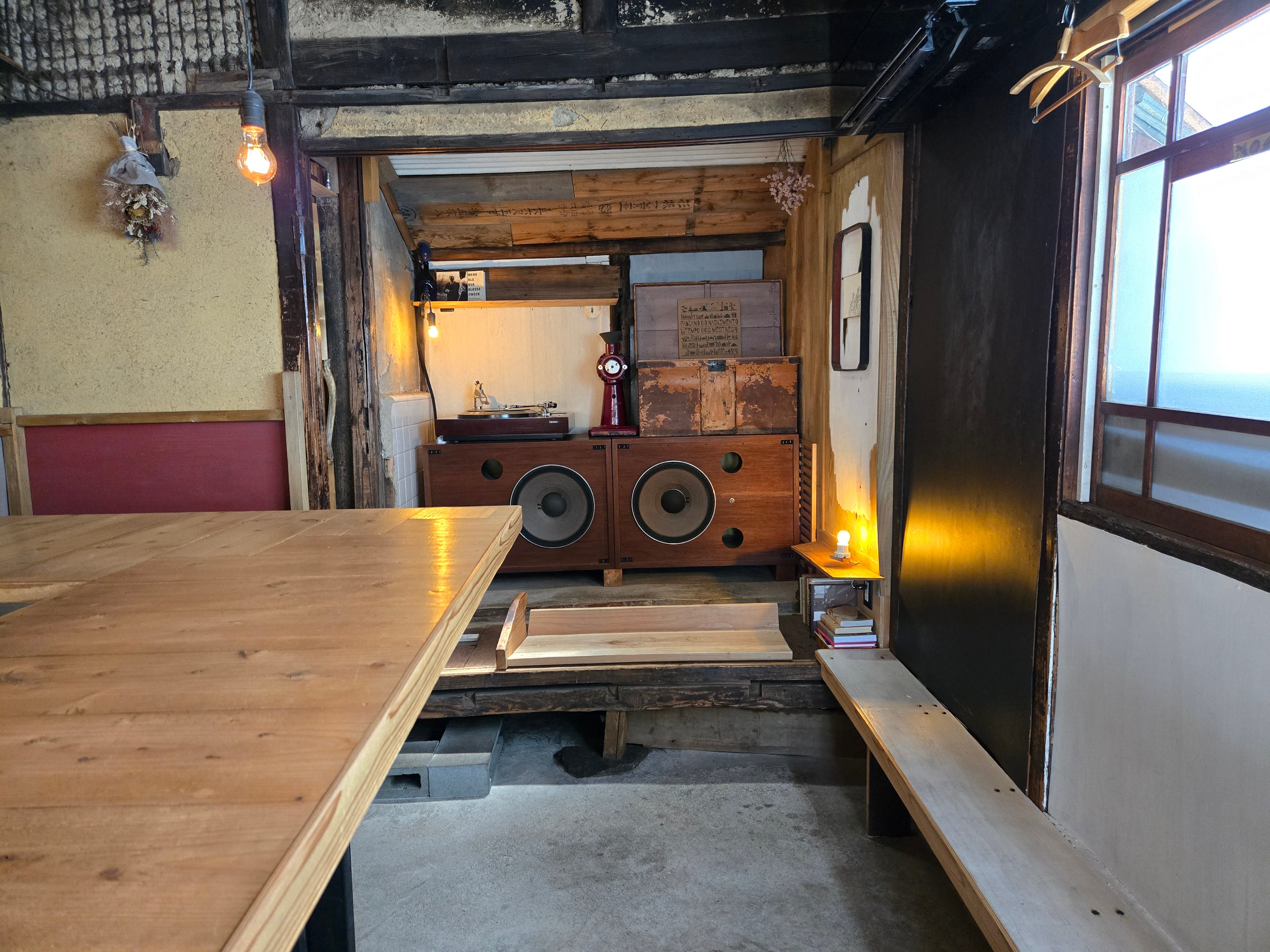
To an American, it’s “magical.” It’s some aching possibility, existing on a slightly divergent path from the cultural and economic one we took. Or is it?
This is a really important point, and I try to make it pretty clearly:
How do the Japanese do this? Is it because—as a certain narrative goes—they are somehow different? A particularly polite, neat people who have a preternatural ability to live peaceably in very dense urban environments? A predilection for old-fashioned traditionalism which retains more bygone ways of doing things? A great deal of commentary on Japan is variously longing, pining, othering, Orientalizing: Wouldn’t it be nice if we could be like those very, very different people?
At some point, these various explanations start to become non-explanations—or excuses. They become a rationale not for how the Japanese do it, but for why we cannot do it.
Of course, as I note in the piece, Japanese culture is a real thing and probably is a factor; it does emphasize politeness, it is less individualistic than American culture, it’s high trust, and it does have much more experience with density and urban life. Those things all relate to each other. A lot of Americans would probably have a more skeptical, even paranoid, outlook on the idea of operating a physical tiny business out of their homes. We’re more spread out, so more driving is involved; that would cause parking issues in quiet suburban neighborhoods, and it would either rule out tiny bars, or require liability laws about serving intoxicated customers to be relaxed for such establishments.
There are all kinds of little regulatory tweaks and differences, some of which I identified specifically and some of which I could really only describe generally. (There is not all that much concrete information about these tiny businesses available in English anyway.)
But this is the cluster of factors which are things we could do in the United States, without having to resort, as I put it, to “mysticism or musings on the nature of the Japanese people”:
There is no liquor licensing in Japan, meaning that a tiny bar can open with nothing more than a simple food handling/serving license. Then there are land-use-adjacent factors, such as building codes, transit, parking regulations, high walkability (minimal liability issue of a drunk motorist driving home), and the relative absence of cars on smaller Japanese streets. Almost certainly, various issues like fire code, insurance, and liability are somehow adapted to permit these micro-enterprises in a way that is not the case in the United States. Last but certainly not least, based on incomes, a large share of them are probably exempt from Japan’s VAT tax. And, of course, there probably is a cultural element; Japan’s emphasis on order and politeness does lend itself to a high-trust society in which people can imagine opening their homes or little spaces to the general public.
But the most obvious factor is that Japanese zoning is radically simpler than American zoning, and does not have a separated-use, residential-only zone at all. At least some forms of commerce are allowed in all residential zones. This means that houses can be used for businesses, as can accessory structures in residential areas.
The point, in other words, is that Japanese people start tiny physical businesses because it is possible. And a great deal of what we call “culture” is an interplay of human choices with the set of things which seem possible. There is no wall of separation between “culture” and “technocratic tinkering,” because a thing which is artificially foreclosed by the regulatory regime cannot be a part of the common culture.
This is a similar insight to supply and demand; easier things are more abundant, difficult things are more scarce. And the answer to these problems, likewise, is free enterprise. Free enterprise is often used as a synonym for capitalism, and capitalism is often used to describe the American corporate landscape. But by free enterprise, I mean a pared-down, legible regulatory landscape in which economic freedom is available not just to corporations or the rich, but to everybody with an idea and a couple hundred square feet.
By this measure, the United States is a less economically free and dynamic country than many others. It turns out that zoning and the rest of the land-use planning regime is not just itself a massive violation of the spirit of free enterprise, but also a major factor in the suppression of everybody’s right to engage in business and commerce.
As I detail in the piece, there are lots of disparate, discrete laws in the United States which, if all combined together, might permit something close to the Japanese regulatory landscape with regard to tiny businesses. But these laws often involve discretion, do not talk to each other, and are designed to allow, but not truly facilitate, these activities. And still, many aspect of the tiny businesses, in many American localities, are still flatly illegal.
I like this line, and it’s a good guide for how to think about these things: “We treat these things—dinner, drinks, the sharing of a hobby or passion—like prostitution, illegal as soon as a dollar is involved.”
I will be following up on this with some further thoughts, and am curious about your thoughts, insights, or experience with any of this. But for now, read the whole thing!
Related Reading:
The Neighborhood Supermarket Never Disappeared
Parking As Access, Or Urbanist Ideals Meet Real Life
Archive Dive: The Taco Truck And The Thrift Store