
"Normal American Food"
Creative, elevated food is nice, but simple, familiar food done well is nice, too

When my wife and I were in Pennsylvania Amish Country over Memorial Day weekend, we drove out to Hershey to visit the Tröegs Independent Brewing facility/tasting room/restaurant. It was a pretty good experience—it took awhile to get food and you have to wait in a line, and the menu is “elevated” or “artisan” type stuff. (I.e., no wings or burgers.)
It might not be for everyone, and maybe a tad pretentious. But it was good, and a little pricey but not unreasonable. I had pork belly with grits; my wife had a banh mi sandwich, which was more like a banh mi inspired sandwich.
The tour they offer there is a great value, too; it was $15 for a full pour of beer, three samples of beer along the way including one out of a giant tank, and a branded pint glass. It was a fun two or three hours. I guess I wish less of it was waiting in a crawling food line, but even that’s kind of fun, in it’s way. For me it’s one of those “good frictions” or productive discomforts or however you think about the inherent annoyances in leaving your little contained world.
Our other meals were more standard American food: one was the Amish-ish smorgasbord at the recently rebuilt Hershey Farm Resort. It was really cool to visit one of these buffets that’s all brand new. It has high ceilings, lots of natural light, and the food is perfect buffet food: not quite the quality of a place where you order off a menu, but pretty good, and enhanced by the variety and instant gratification of self-service.
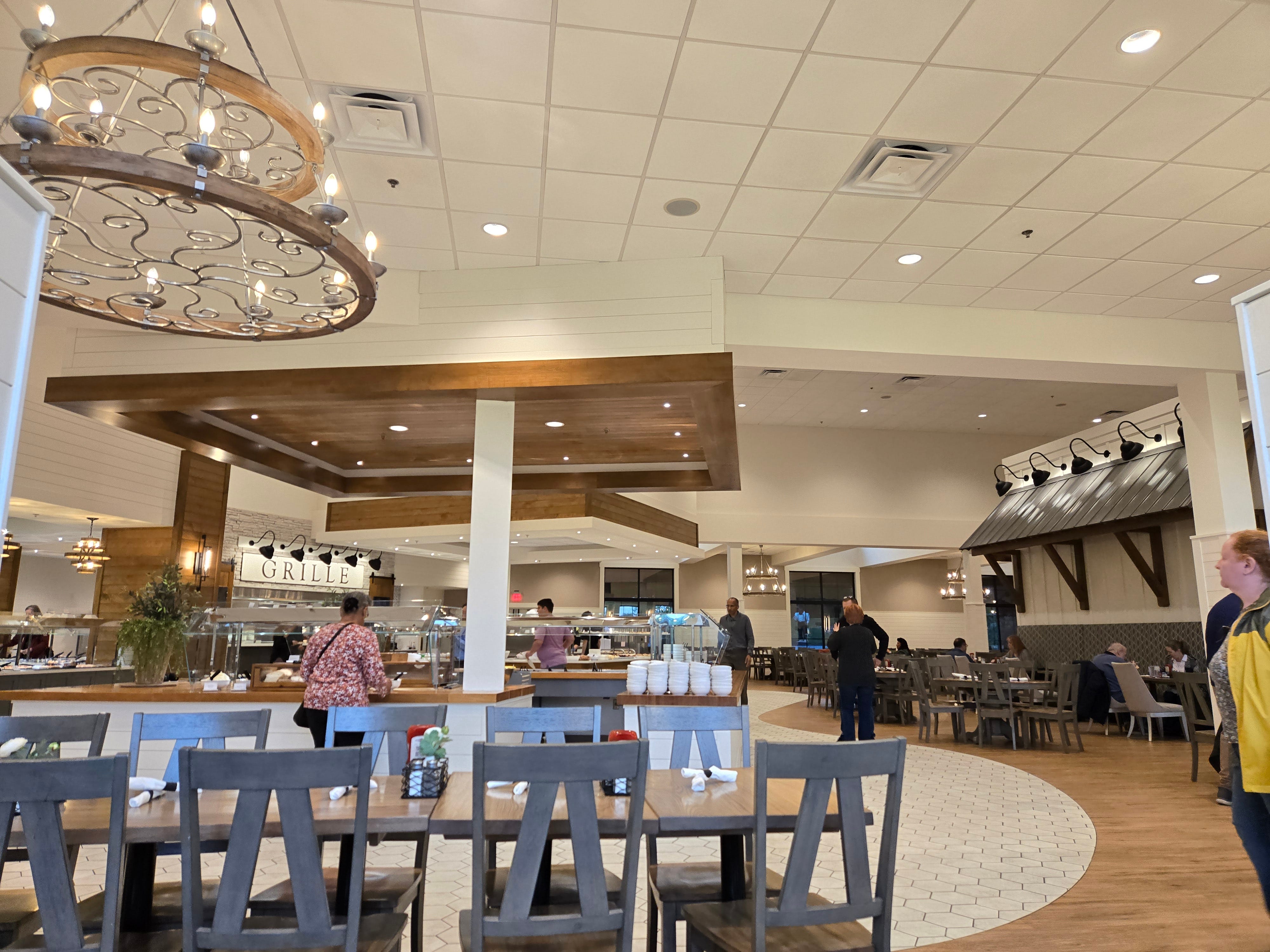
The spread was a bit more Thanksgiving than Pennsylvania Dutch, I thought—there was even green bean casserole—but Pennsylvania Dutch food is a bit of slippery concept, and most of these places aren’t run by actual Amish folks, anyway. The highlight was a proper prime rib, tender and medium-rare, dipped in the jus and just touched to the griddle.
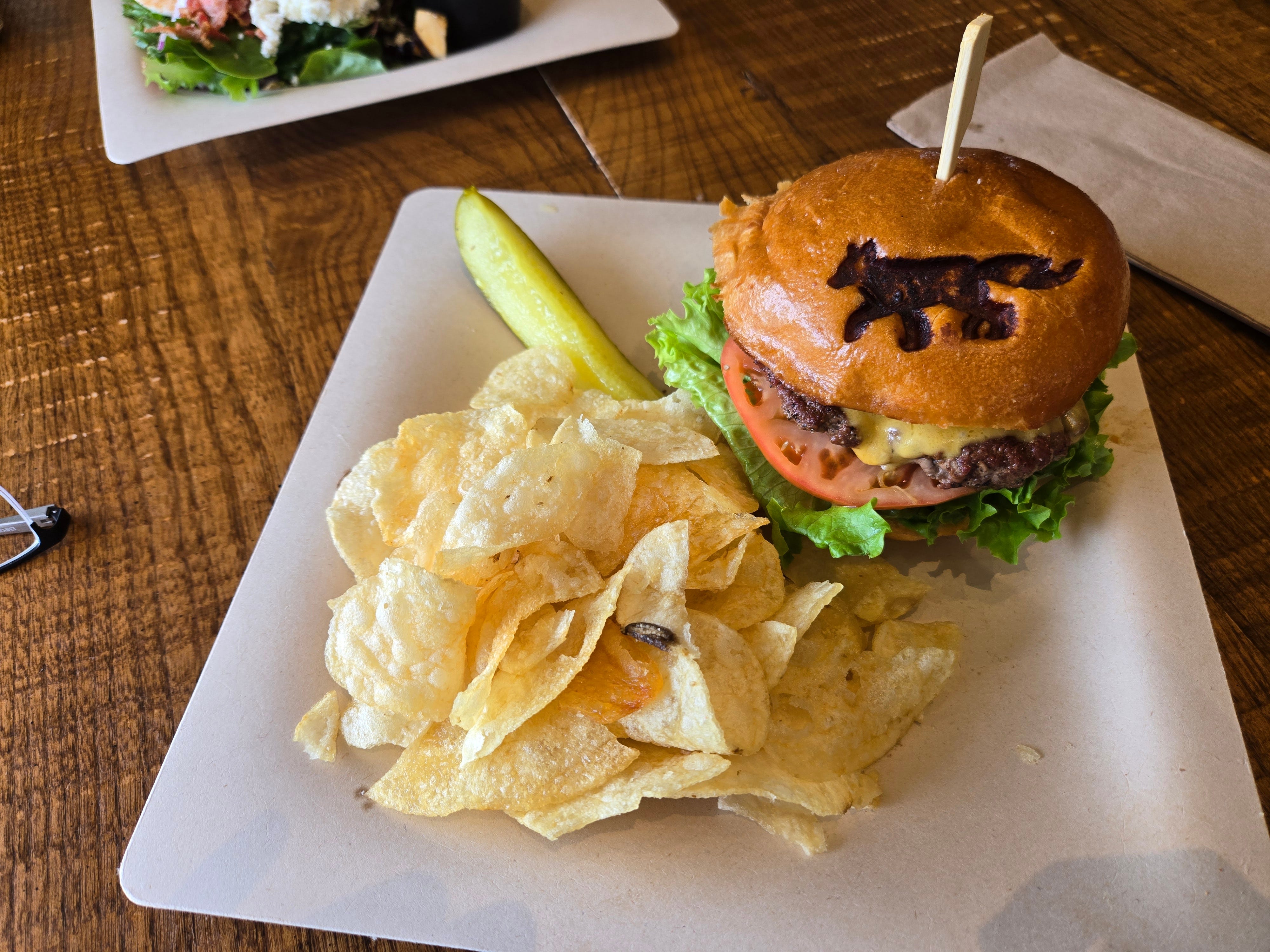
Our other dinner was at a little neighborhood bar called Rural City Beer Co. That was a simple menu of smashburgers, wings, and other familiar stuff. The wings were standard wings, and the burgers were excellent. I had another burger the next day, our last meal before hitting the road on Monday afternoon. It was at this nice little ice cream and light food place, Fox Meadows Creamery, which seems packed all hours of the day and is just…really nice.
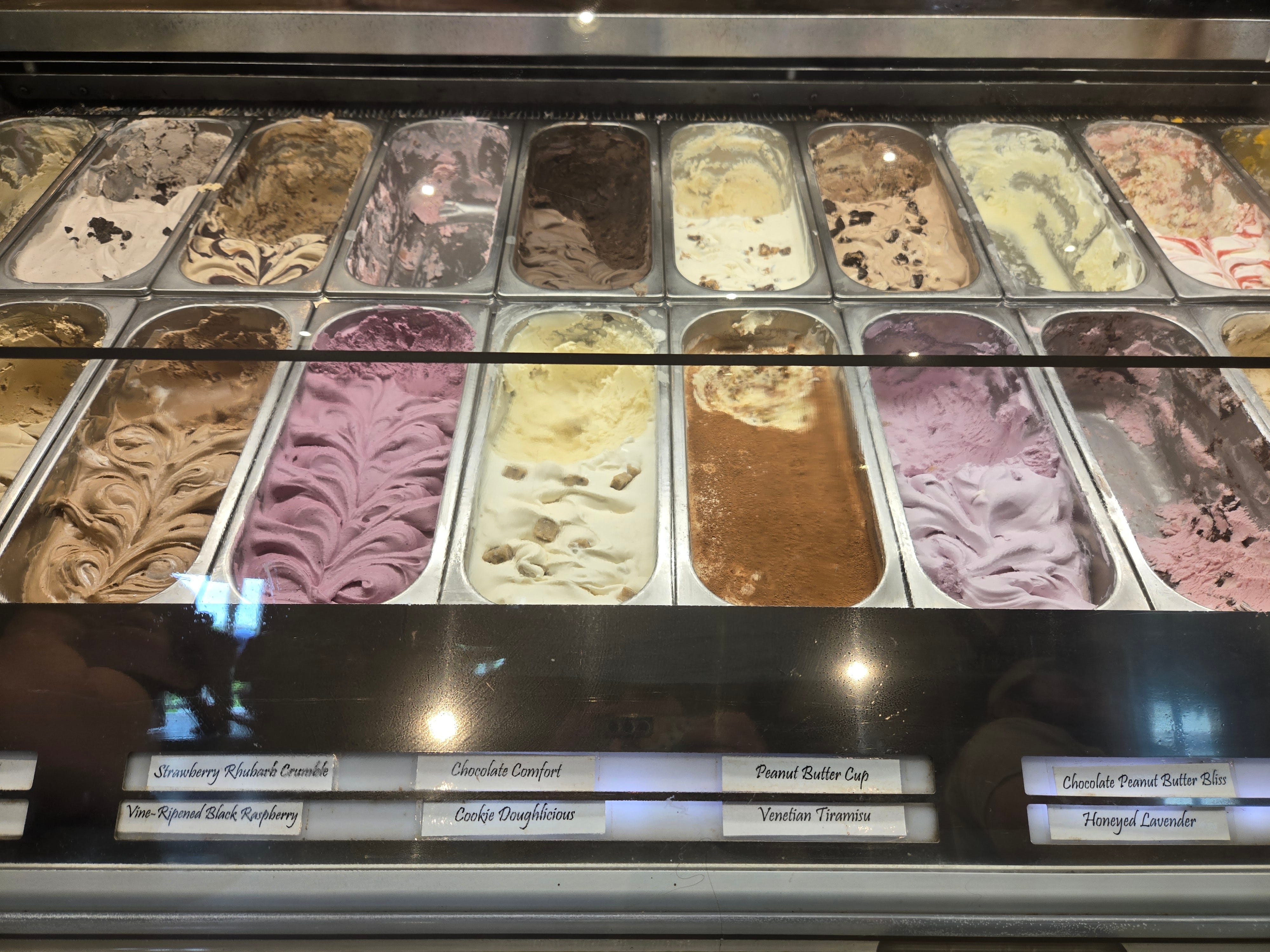
We’ve been visiting this place, when we come out here, since 2021, and it’s consistently good, consistently clean and well-kept, and consistently crowded. We waited in a line to order near closing time after 9pm once! Part of it, maybe, is that there aren’t a ton of places to go out here. But part of it is that the place is just excellent and well-executed.
All of this—and some negative reviews of the Tröegs place knocking it for its pretentious foodie menu—had me thinking about a joke my wife and I have, where we’ll pass a restaurant and I’ll say, “Good, that looks like ‘normal American food.’” That was something a guy on my hometown’s Facebook group said, and it struck me as funny. It was a thread about what businesses folks would like to see in town, if it were up to them, and one guy said, a restaurant that serves normal American food.
I don’t think he meant American as opposed to “foreign food”; what I think he meant was just good, familiar food versus something elevated or with some gimmick or angle. Somewhere to just go get a good burger that’s reasonably priced and doesn’t have foie gras or caviar or grass-fed local beef for a premium. (Not that there’s anything wrong with that.)
As I was eating those two excellent burgers out in Amish Country, I got what he meant. It is nice to just get food you’re entirely familiar with, done well. Every meal out of the house doesn’t have to be something you can’t cook at home, or something “exotic” or Instagrammable or that some guy on a Facebook foodie group raved about.
I think sometimes adventurous eating, or a general cosmopolitan sensibility about such things, gets seen as not just fine or good but kind of superior; as if it’s just a tad morally disreputable, or at least unsophisticated, to like the basic, familiar stuff you grew up with.
But why should that be the case? Hamburgers are served all over the world. You can buy a Big Mac at McDonald’s in China! Why the heck should would it be unsophisticated to just want a burger with a beer? I’m partly critiquing myself here too, because I initially thought the “normal American food” comment was kind of unsophisticated. But it isn’t, and places that do familiar things with excellence are special.
There’s also (of course) a broad urbanism element here: simple, familiar, unpretentious places with no angle or gimmick or chef’s twist are probably easier to run in less expensive areas. Of course we do have places like that in the D.C. area—especially the international and ethnic restaurants that don’t serve “normal American food”—but lots of restaurants here just feel a little overengineered and self-conscious.
Before I “became an urbanist,” I thought this was just because people here were snooty elitists for whom, I guess, “normal American food” was beneath. But a lot of it is that it’s very expensive to operate a restaurant here, and you probably need a trend/concept/gimmick to stand out and wring a little more profit out of a tough business. Which I understand completely—I’m not blaming restaurant chefs or owners, or customers.
I think that something cultural—over-engineered, possibly pretentious food—is in many cases downstream of something economic. If we had more small, quirky, affordable commercial spaces, we could support more businesses and restaurants that do “normal” things well, without the necessity of using marketing to spin up some angle.
That’s how Five Guys started in Arlington, Virginia, in an old strip mall which has since been demolished. Just a cheap, nondescript space where a few guys made really good burgers. That’s kind of what diners were, and other small, simple restaurants. As an area becomes more crowded, and prices rise, you need smaller divisions of land/space in order for business ownership to be affordable for regular people. You need commercial density.
You don’t need that in Amish Country because it’s such a different landscape. But in a place like Northern Virginia, more commercial density would mean more “normal American food,” and more good food, period.
Related Reading:
The Restaurant Vs. The Supermarket
Why Aren’t More Supermarkets Like This?
Iconic Hometown Restaurant, Obsolete Dining Concept?