

A few weeks ago, my wife and I learned that a Malaysian restaurant we’d been intending to try someday, about a 12-minute drive from our home, was closing at the end of October. Of course, we went. First, with a friend; then the next day just us, because it was so good. Then two more times, and one more tonight. And maybe lunch tomorrow.
The restaurant, Malaysian Kopitiam, has been in a nondescript Centreville, Virginia strip mall for eight years. It began life, however, in Washington, D.C. in the late 1990s.
I felt such a feeling of déjà vu going inside. It reminded me in a million subtle ways of the family-owned Italian or Chinese restaurants from when I was kid, which seem to be disappearing.
The pretty but not pretentious plating; the randomness of the humble, unmatched servingware, much of which bears battle scars in the form of chips; the almost stock, almost kitschy interior design and decor; the large portions and extremely reasonable prices; the older couple running the place, greeting you, actually being there at their restaurant; the taste of the wok in the noodles, the obviousness that a single real person just cooked this food.
I remember this place.
There’s a guest book at the front of the restaurant, its first page spanning a few recent years. I flipped to the back to see where it began. 1998. That must have been the very beginning of the Washington, D.C. location. Lots of other people remember it.
We’ve ordered, probably, half the menu by now. Some dishes are better than others, but nothing was bad. Most were delicious. Everything was executed just right, the basic simplicity of many of the dishes elevated by years of experience and refinement and tinkering. I could hardly come up with a complaint, even if I were trying to be a food critic.1
I spent every meal trying to put into words what this place made me feel. Eating here or somewhere like it really feels like…a dinner party? Hospitality? Something ordinary but special in some way which feels squeezed out of our public life? We talk about abundance, inflation, scarcity—somehow, sitting down to a meal here, there is enough, and life is simple.
This is one of those establishments that is not made anymore, at least not here in the D.C. region. So many restaurants are “concepts,” a bit of wise, winking self-awareness. “Nostalgic with a modern twist.” “An elevated take on…” They’re chains, or members of a “restaurant group,” or off-the-shelf franchise concepts.
There’s so much of the same food and the same menu. Korean fried chicken. Sushi. “Asian fusion” (which rarely means more than “mediocre Thai, Chinese, and Japanese dishes on a huge menu”). The “izakayas” all with the same cute hand-drawn menu and wagyu-toro-uni specials. Ninety-second pizza. Fancy burgers (Big Buns, home of “D#*! Good Burgers”).
When you find an establishment that breaks the mold, it is often one that is simply old: which predates the adoption of the current trends, and has continued along on their own path dependency. Some of Malaysian Kopitiam’s appeal is simply that the cuisine it represents is unfamiliar to us.
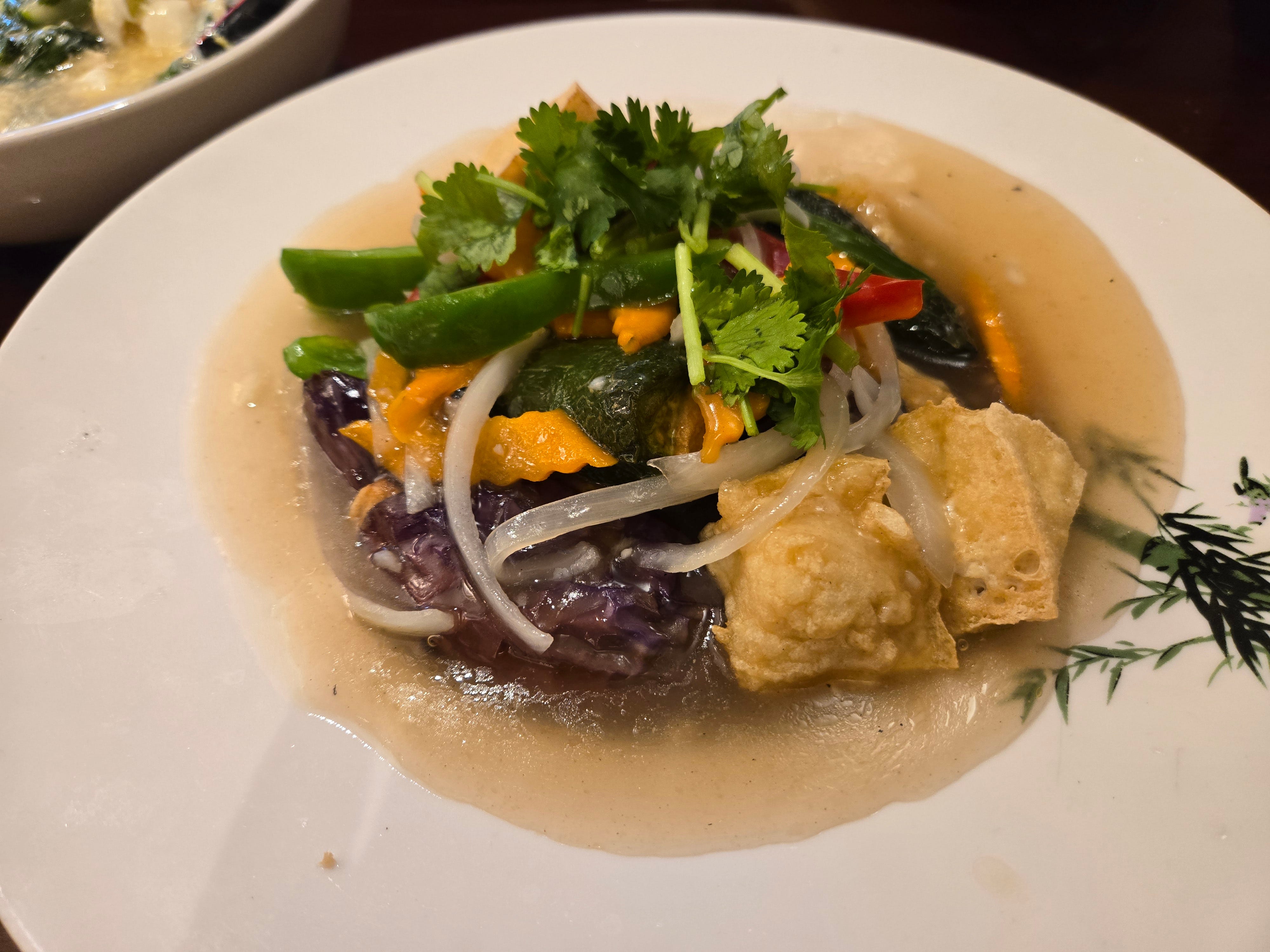
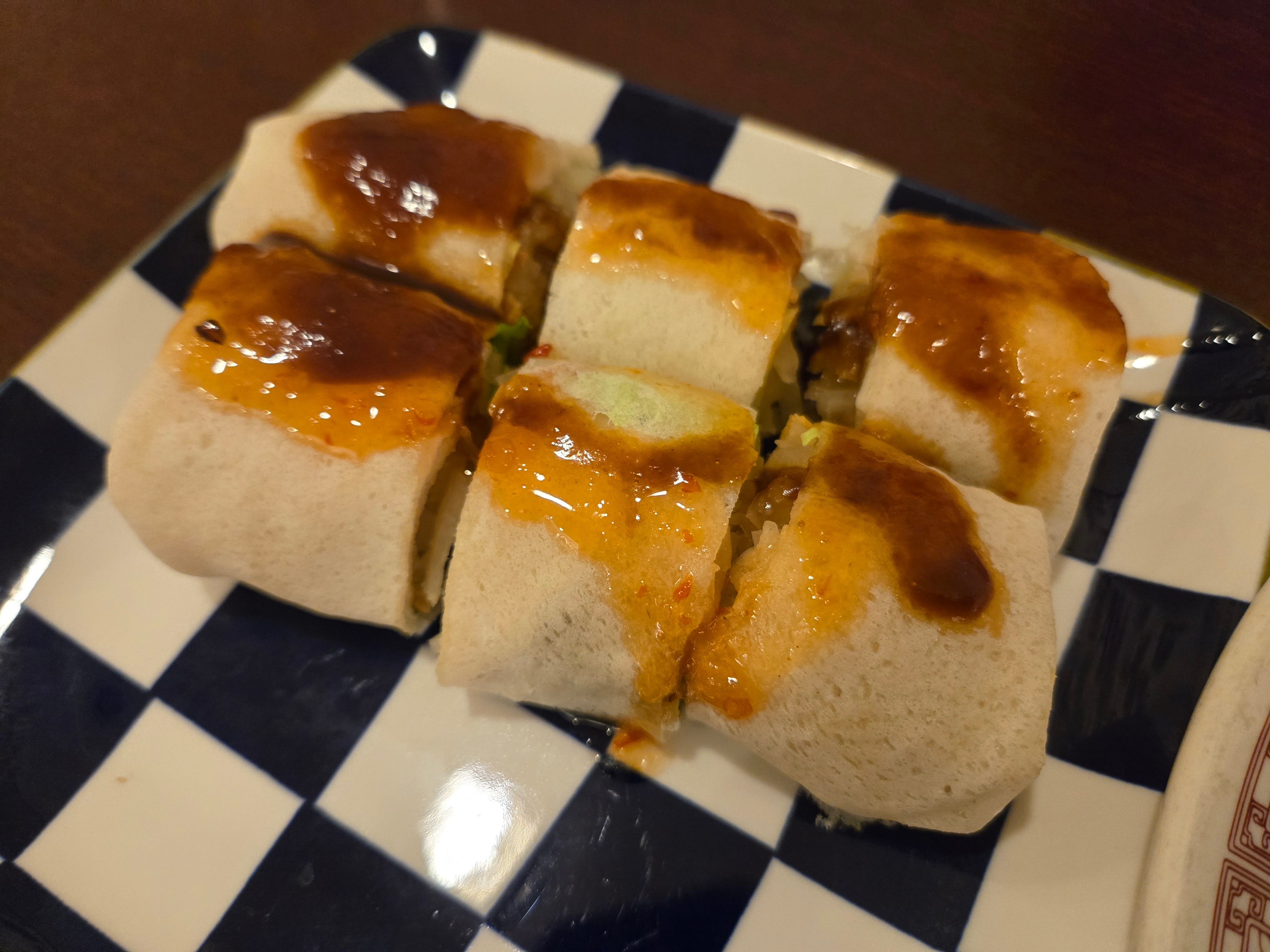
Its menu might be fairly typical for a Malaysian restaurant. But there is nonetheless something comforting, and something strangely, deeply, achingly familiar about the experience of eating here.
The oyster omelet is just an omelet with oysters. Simple, homemade, no frills. But pretty on a plate, still hot, so perfectly executed it’s the Platonic form of itself.
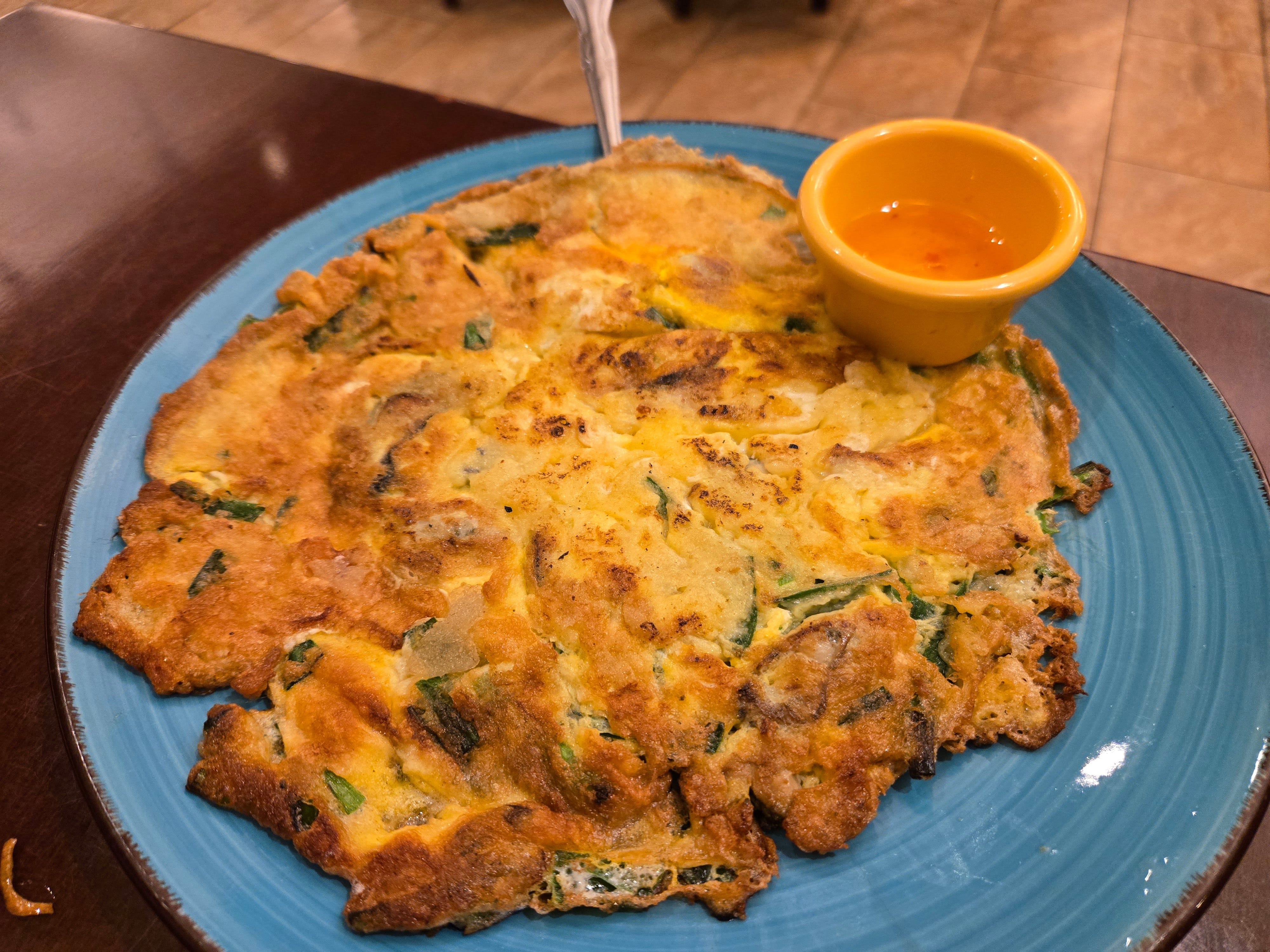
What the oyster omelet isn’t is topped with gold, or fried in wagyu fat, or made with luxurious West Coast oysters, or duck eggs, or heirloom chicken eggs, or arranged in a flower shape. It isn’t trying to tell you anything. Nothing feels workshopped, engineered, focus-grouped, designed for social media virality.
You don’t realize how overwhelming that aesthetic and approach is until you see it utterly stripped away. The scale and the plainness of the enterprise transcends a mere economic exchange. There is no artifice. You can imagine the owners, who wait some of the tables themselves, saying not “And this is going to be our blah-blah-blah and let me explain…”, but “here, I made this for you.”
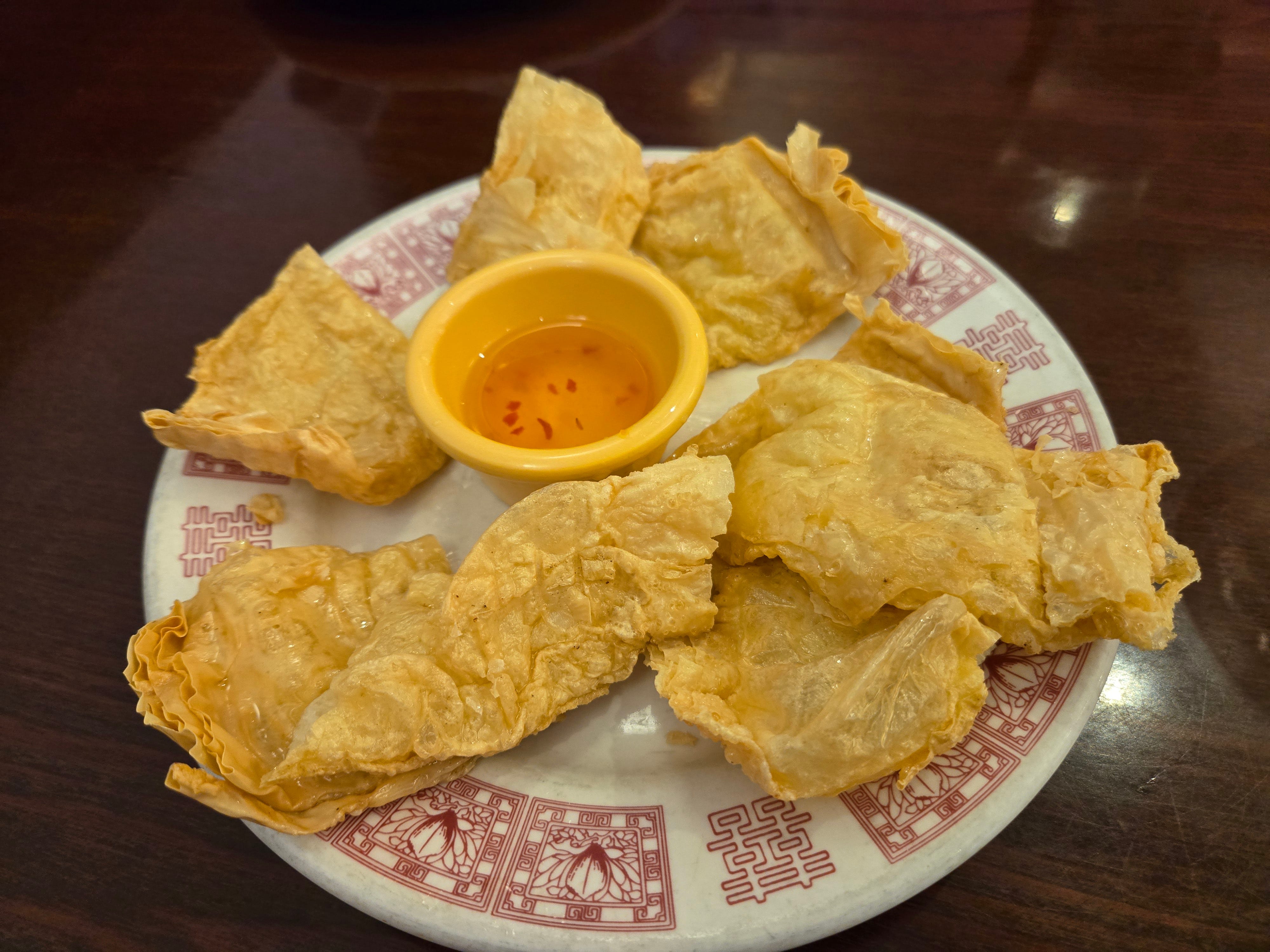
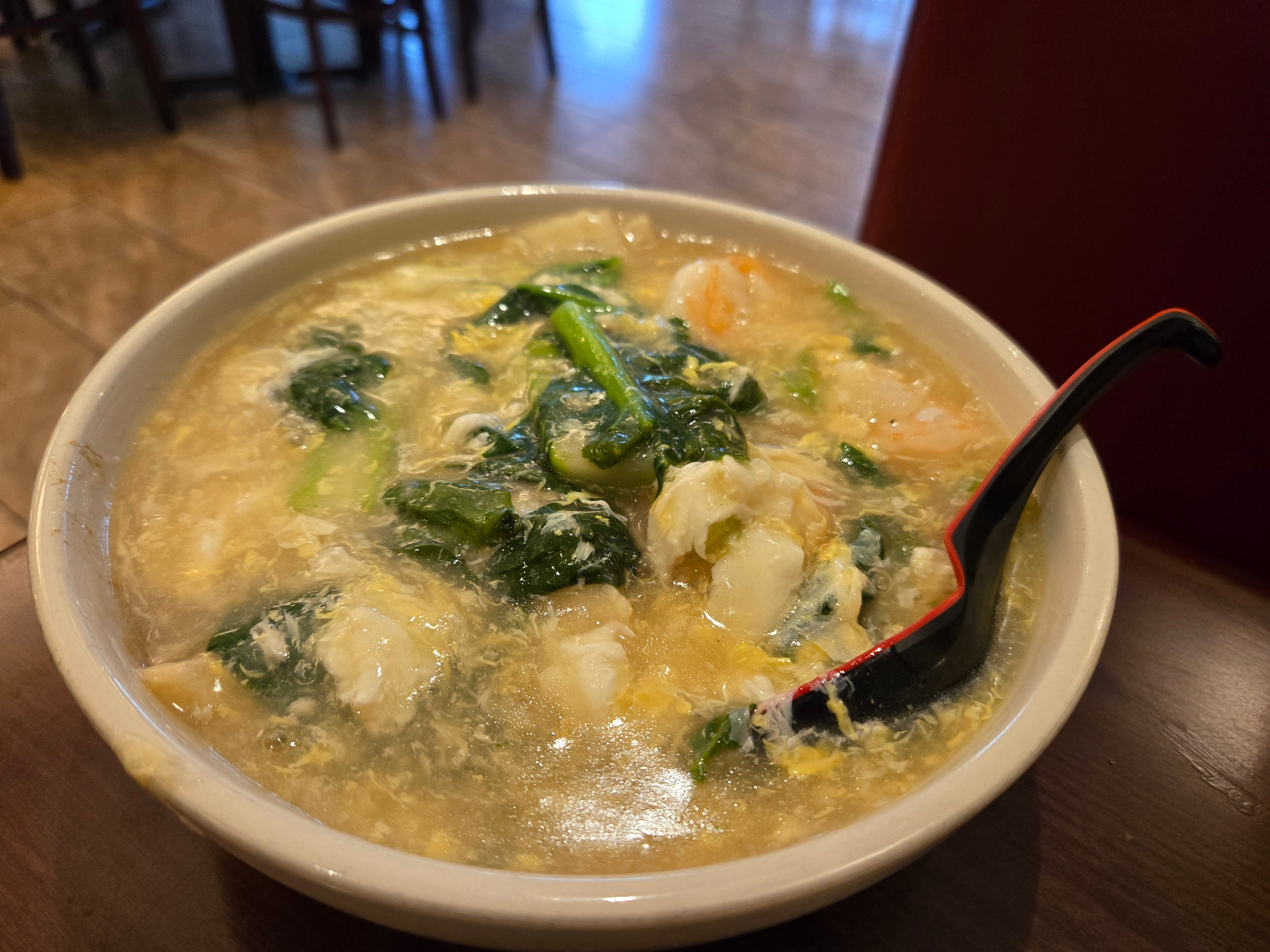
The food is what it is, it’s damn good, it’s made by real people, and it’s served by people who know the place and the recipes like the back of their hand. It’s not just a nice restaurant; it’s an entirely different conception of what a restaurant is, a sort of establishment which follows a subtly different evolutionary path. There is a whole understanding of social and economic life here, a whole world which once unselfconsciously was, and perhaps no longer quite is, our own.
In other words, it is a joy to eat here. Culinarily, socially, emotionally. I told my wife, joking, I would cry when they close. Maybe I wasn’t joking.
Of course, on some level I’m just feeling wistful and thinking about the whole familiar-things-fade-away-and-pass-into-history angle. In reality there are hundreds of thousands of restaurants in the United States, somewhere around one third of which are family-owned. I am not witnessing the extinction of a species.
But the species may be endangered. The trends in the restaurant industry and broader economy are arrayed against the simple family-owned establishment, and places like this are mostly not being replaced. Nobody will—nobody can—construct a restaurant today which looks and feels lived in, pleasantly aged.
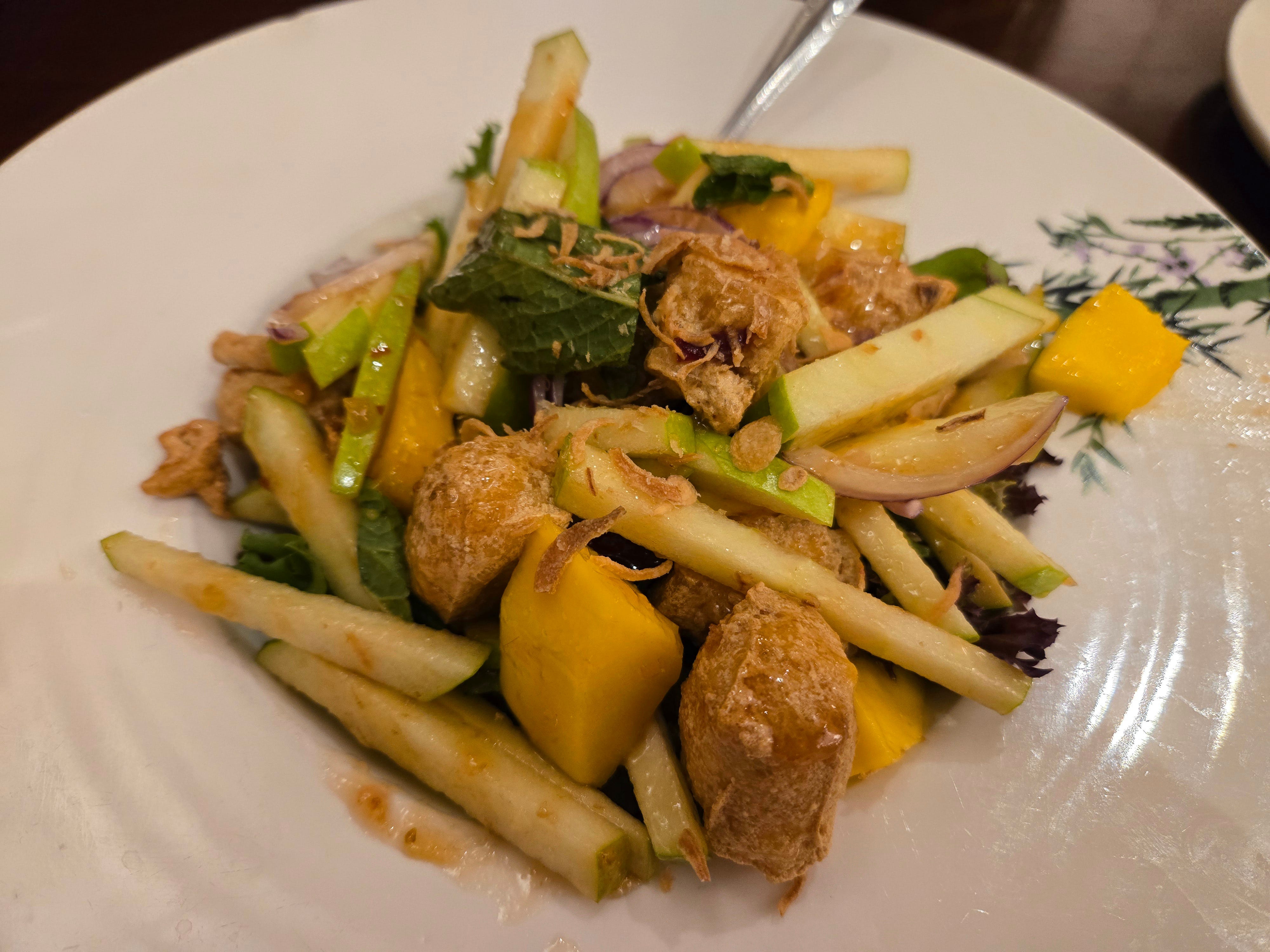
You cannot buy time, a pedigree, a lineage, a rootedness. Nobody can unselfconsciously replicate yesterday’s unselfconscious expression. It is precisely the things which make a place irreplaceable which cannot be reproduced or engineered on demand.
This is normal, and a sense of loss does not necessarily imply that another outcome was possible. The drift and evolution in menus, concepts, and execution is inexorable. Tastes change. Real-estate markets change. Ingredient prices and availability change. Immigration patterns change.
For all this restaurant’s exceptionalism, at least to me, it is closing. Not selling to a new owner. Not going to the family’s son. There are no doubt specific and valid reasons for that outcome, but it is also of a piece with a general trend.
It is sad, because a whole little body of working knowledge disappears.2 How many restaurateurs and chefs in the United States are interested in learning and mastering a cuisine uncommonly represented in the restaurant world, like a programmer learning COBOL? How many chefs, anyway, could cook a char kway teow so perfectly that one more second in the wok would cross over into burned, 20 or 30 times a night for years? There is an almost impossible complexity in getting a simple a thing just right.
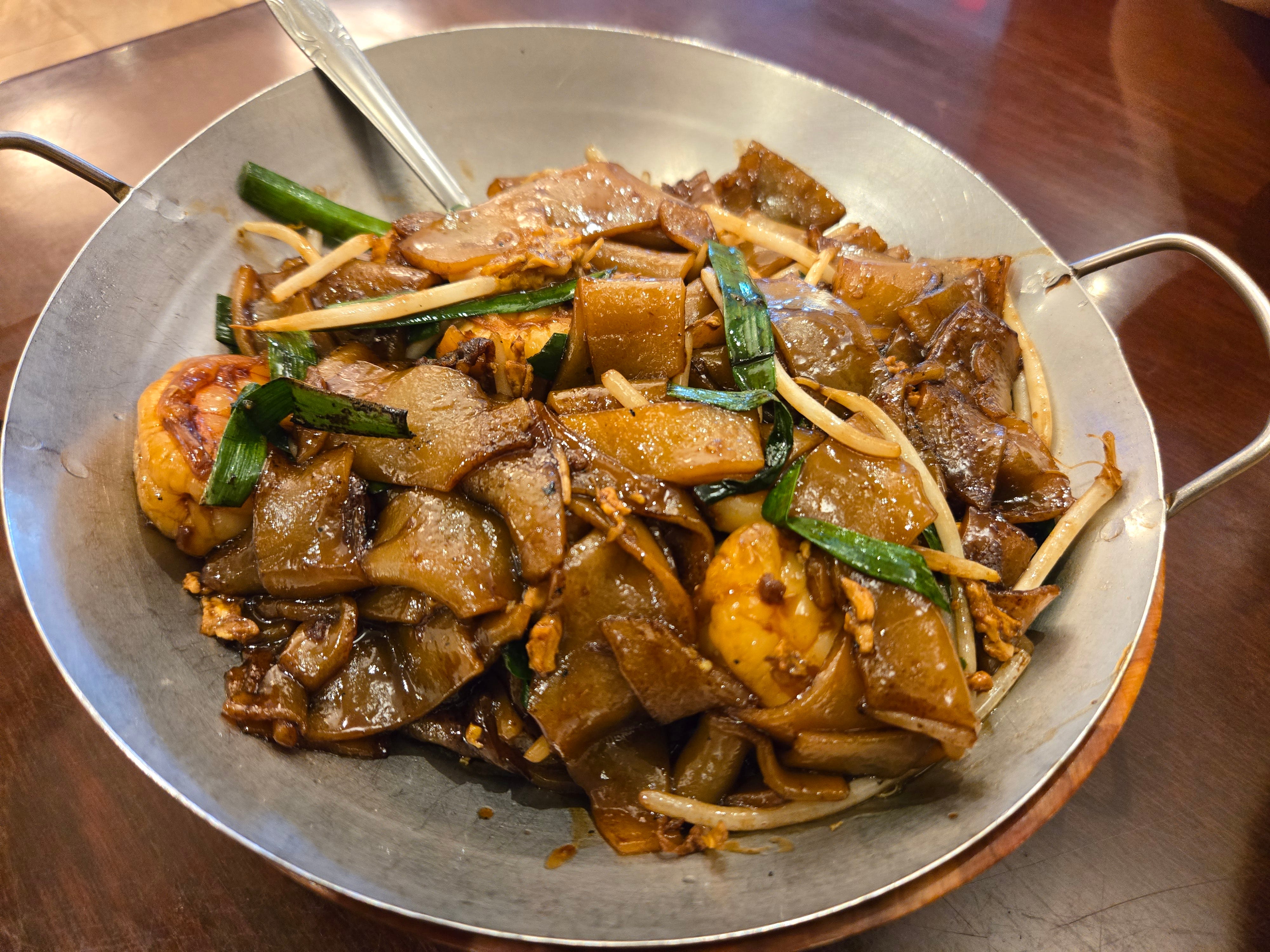
And that guest book, 1998 to 2026? That little story will end in two days.
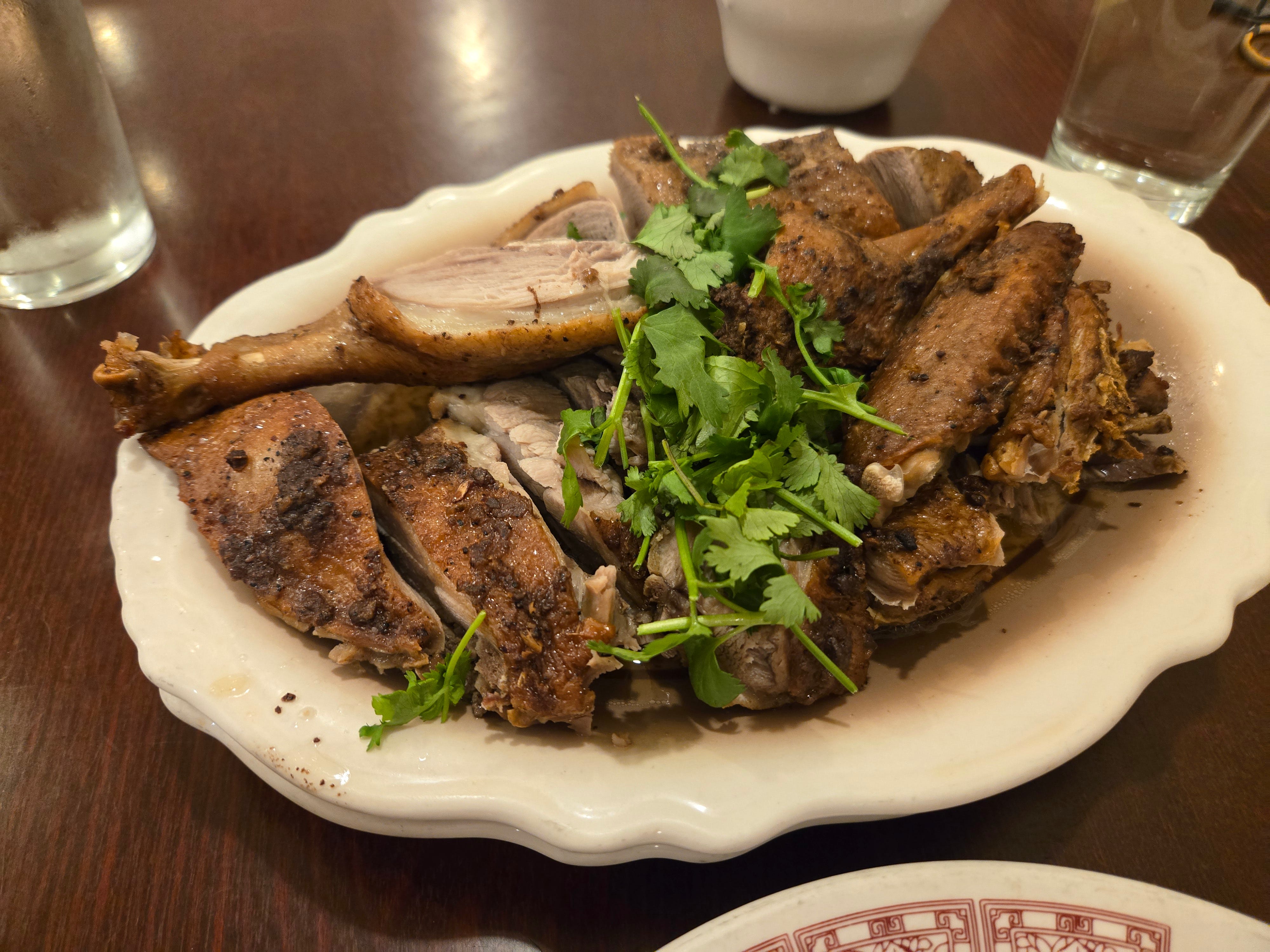
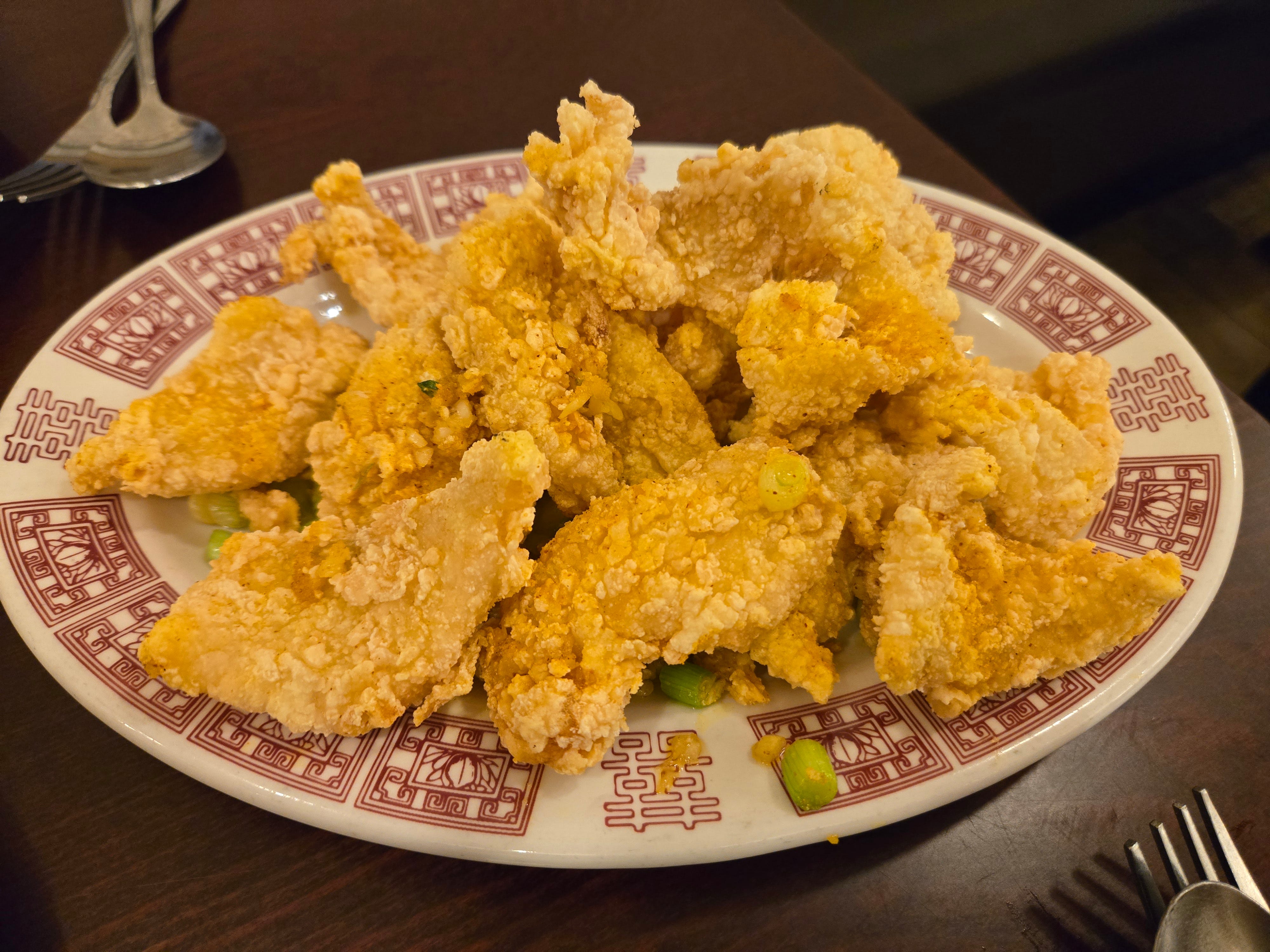
But there is also something hopeful here. The closure of this restaurant is not due to a bankruptcy or a tragedy; it’s so that a couple who came to the United States in 1986 and has owned six restaurants over the years can retire. It means one immigrant family has climbed the ladder and no longer needs to reach for restaurant as one of the most readily available means of making a living. A restaurant is a business. A means of making money. It has relatively low barriers to entry, especially in a small space in a legacy strip plaza. And a thing like that can serve its purpose.
Alongside changing tastes here in the United States, part of the story of the evolution of cuisines is the trajectory of the immigrant communities who make them, the presence or absence of new immigrants from those places over time, and the economic state of their home countries.
The food is the specific, final step in a complex, global process that can never be brought back when it has changed. The phenomenon of the immigrant-owned restaurant is about these global trends as much as it is about the lives of two real, individual people with their own stories and futures. In many ways, it is not really about the food.
But, of course, it is.
Related Reading:
Culture, Nostalgia, Cuisines as Living Things
The Restaurant Vs. The Supermarket
If you insist, the chunks of chicken breast in the fried rice could be a little smaller and a little more tender.
A note on the door teases a YouTube channel, which could hopefully be a way to preserve some of the tacit knowledge involved in actually executing the recipes.
I remember eating here when they were on M street. A friend took me when after a conversation we had about Southeast Asian cuisine. I was sad when it closed and had assumed it went out of business. I'm now sad again that I could have been eating here the last 10 years and now they are gone...
"a sense of loss does not necessarily imply that another outcome was possible." well said and true of so many things.