

I saw this story the other day: “One of Virginia’s last drive-in movie theaters may close.” It’s the Family Drive-In, in Stephens City, just south of Winchester. This is sort of “Outer Northern Virginia”—there were places like this closer in that have long since been redeveloped. This one opened in 1956, and has survived the better part of a century.
I drove past it once, when I did a big Route 11 road trip in 2020 (which, by the way, is where my newsletter’s logo comes from, because it’s these long drives that largely inspired me to do this).
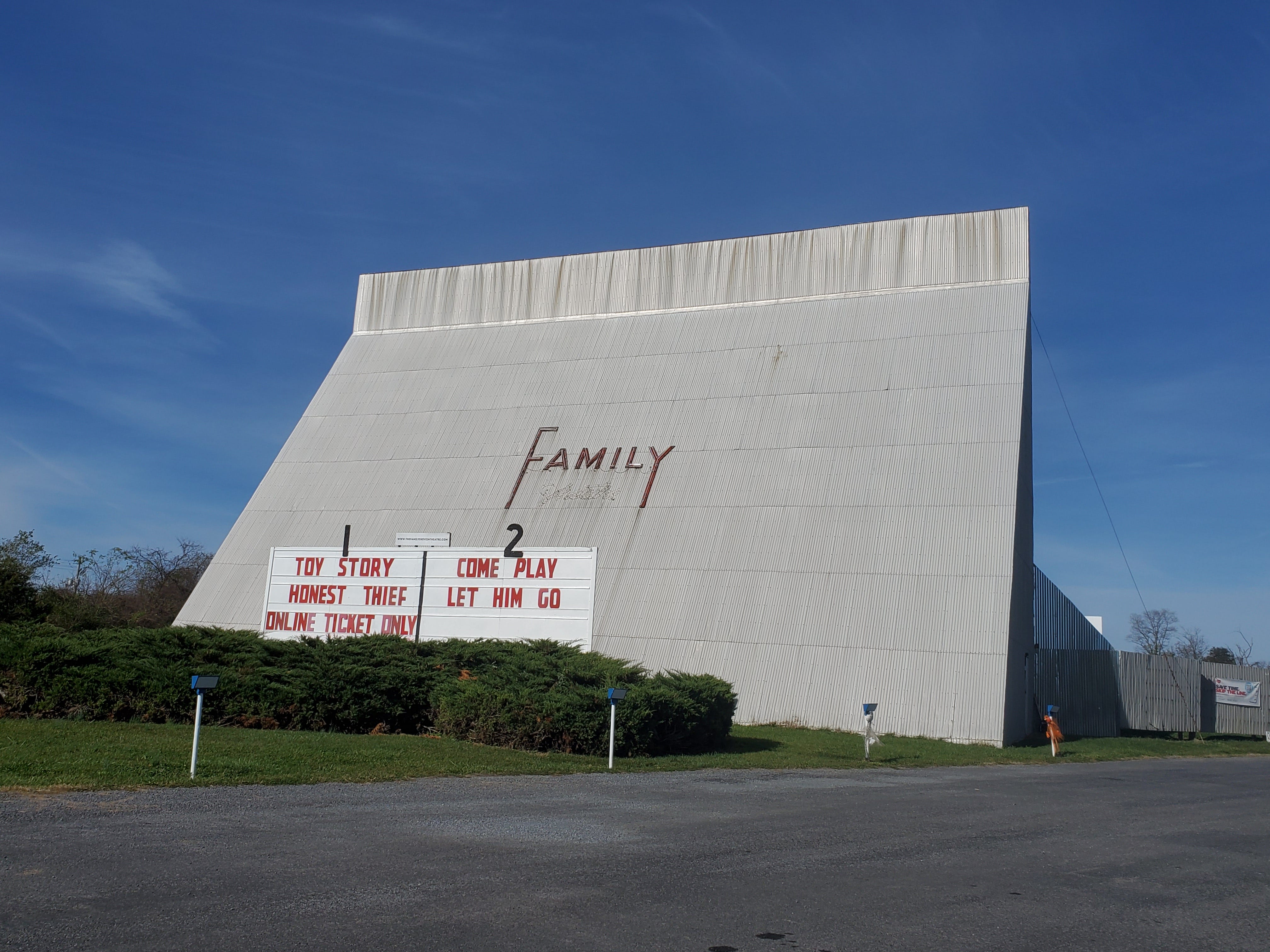
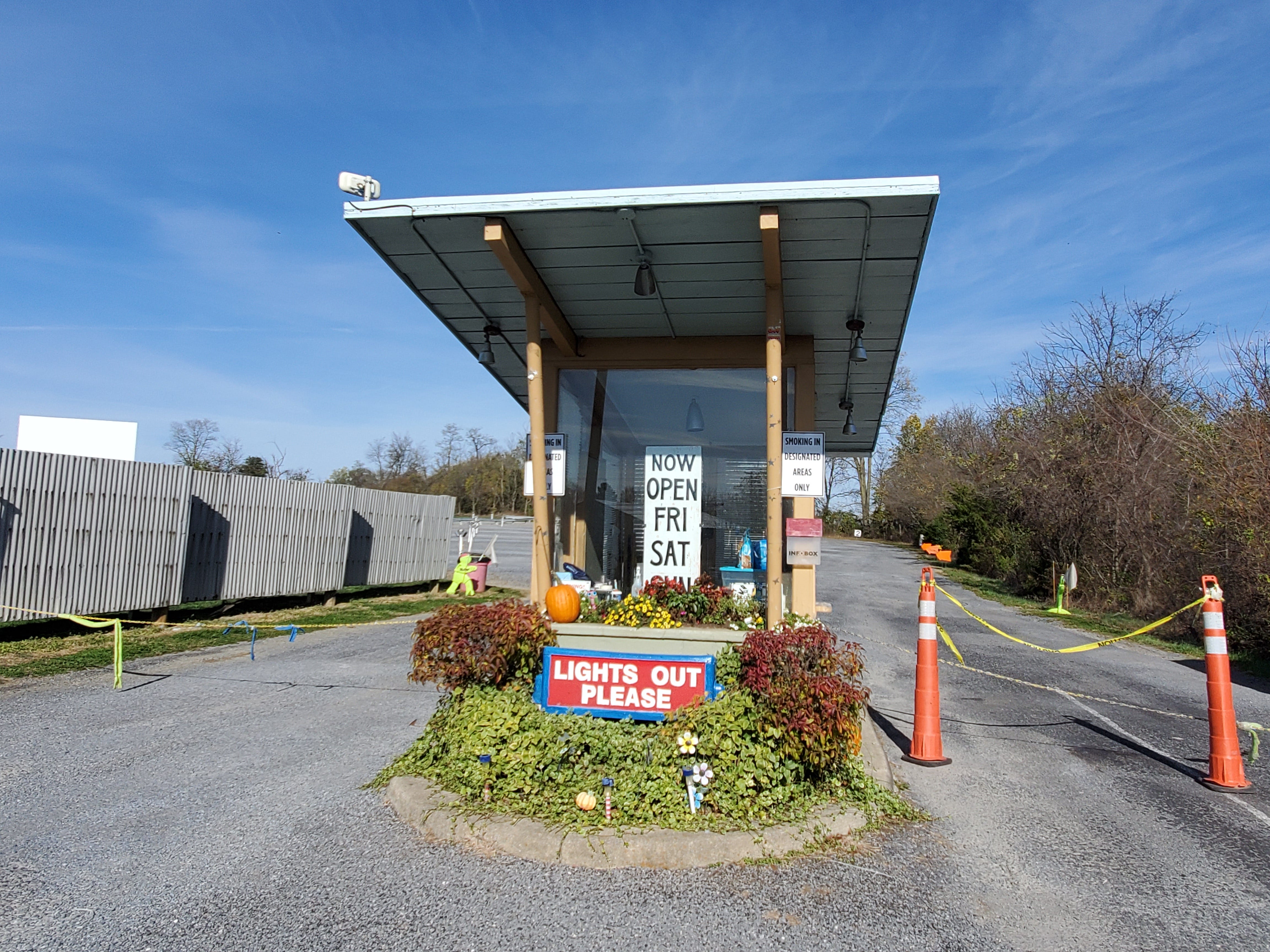
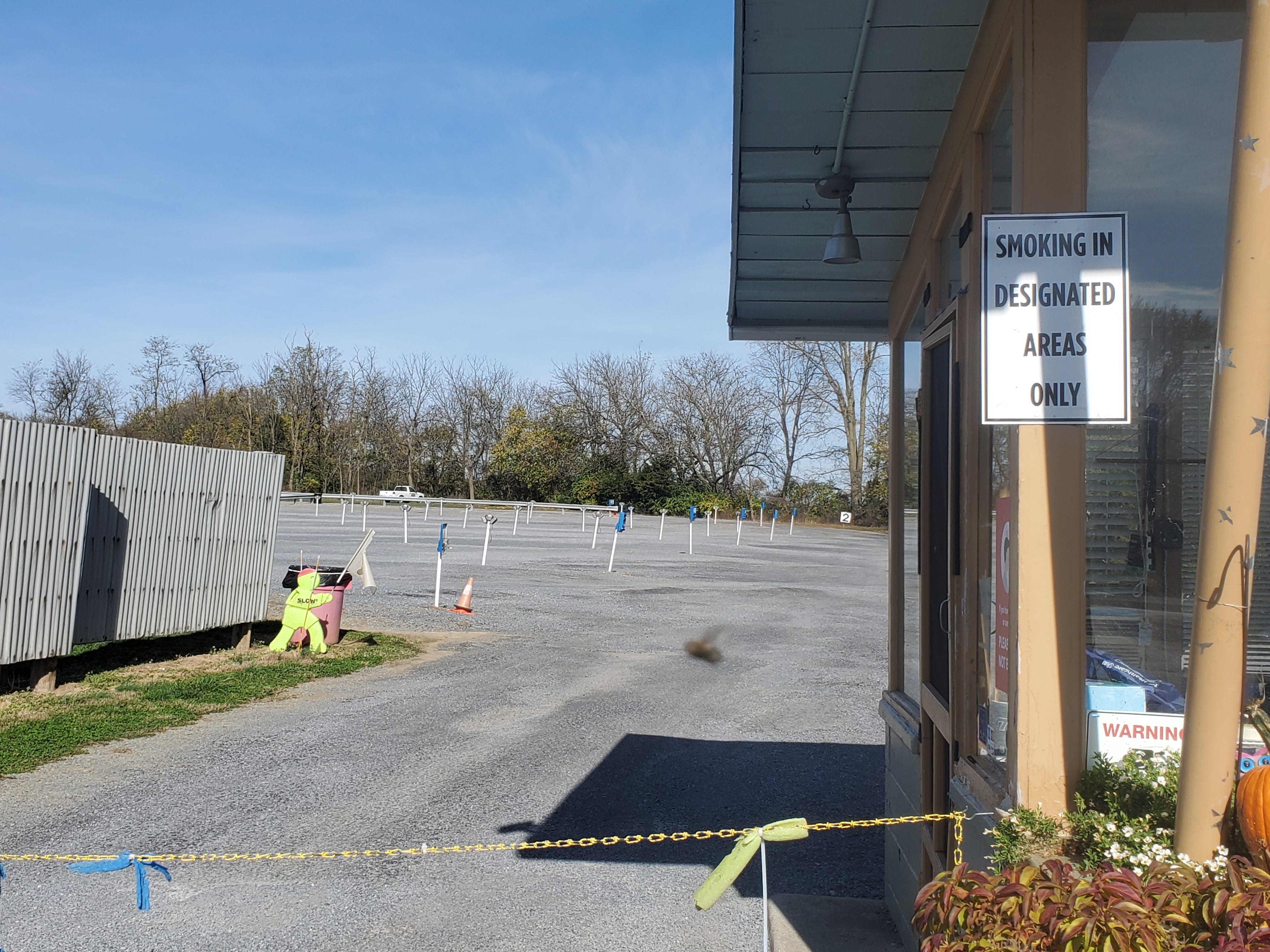
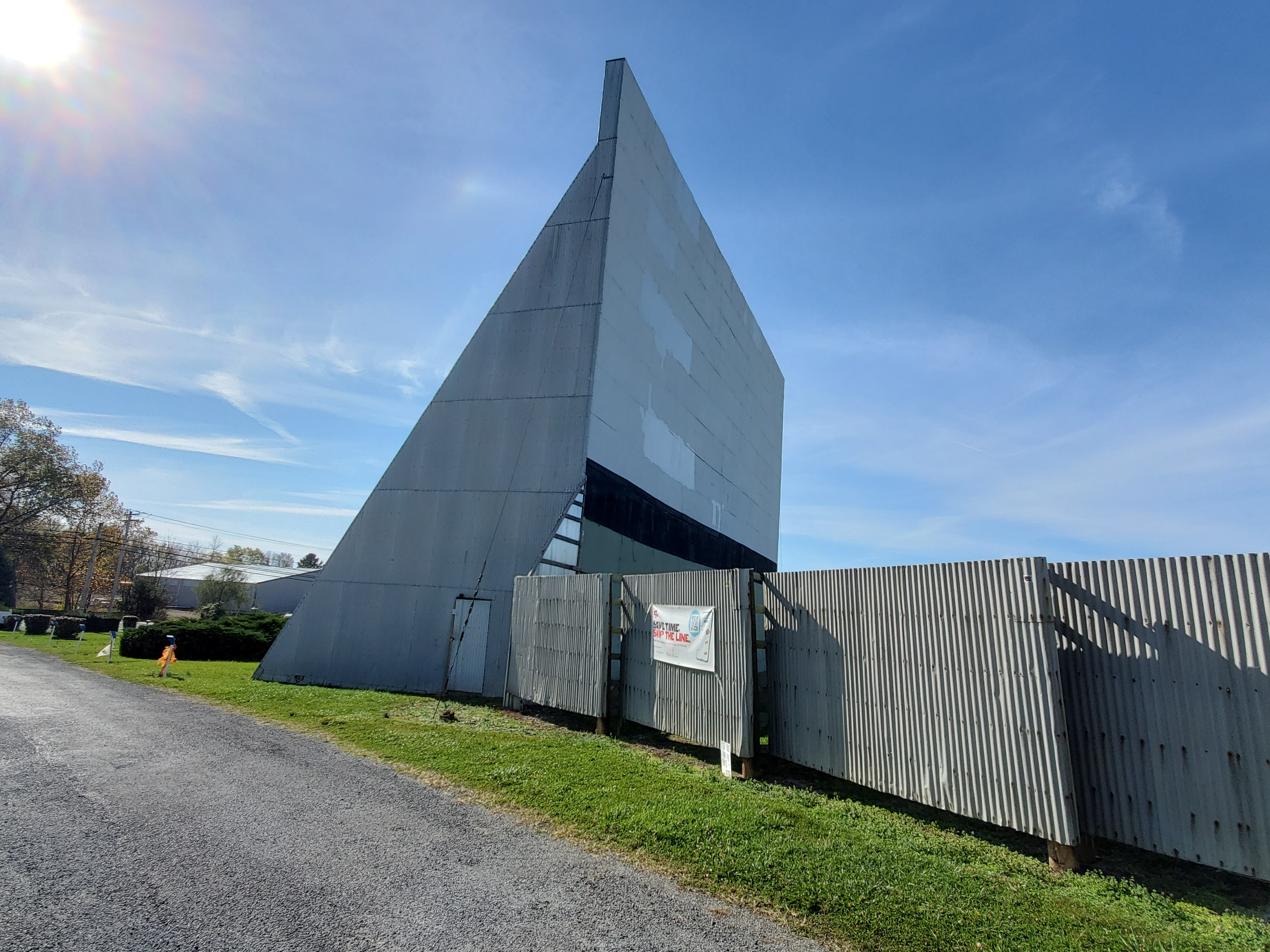
Obviously there’s a lot of resistance to the place selling and getting redeveloped, but the owners have said it’s a money loser and they very likely have no choice. On Facebook, someone left an interesting comment:
Fact is, it’s a losing investment.. at $1.5M, the Drive-in couldn’t make a return on that investment for decades.. It would require wealthy benefactors willing to save it out of nostalgia alone... and, if you do crowd fund the resources to purchase the land, who will own it? If it’s “gifted” to the current owner/operators, what’s to keep them from just selling it?? It’s a complex issue. In my heart, I hate to see our beloved drive-in to close... but, the business side of my brain sees no exit strategy that makes logical sense, in today’s economic environment.
This had me thinking about another nostalgia/economics story: the controversial Cracker Barrel redesign. I’m thinking not of the silly culture-war nonsense that apparently is out there—I don’t pay attention to that noise if I can help it—but the feeling that a piece of Americana is being killed by a greedy company. I’m thinking of this bit from Andrew Egger in The Bulwark’s morning newsletter yesterday:
Nostalgia has been the point of Cracker Barrel since the restaurant’s launch in 1969. Its business model of plopping down decent facsimiles of old-time general stores and Southern home-cooking restaurants conveniently just off America’s interstates was, frankly, a triumph of the capitalist imagination, and has made a lot of money for everybody involved for more than half a century. But the pre-war general stores Cracker Barrel evoked were just a couple decades gone in 1969. Today, they’re a relic of a vanished past. The only nostalgia Cracker Barrel evokes for most people today is their memories of eating at Cracker Barrel—a Xerox of a Xerox.
The American urge to eat cheapo slop in a nostalgic setting hasn’t gone away. It’s just that younger consumers are nostalgic for their own childhoods, not Chuck Grassley’s. You can see that energy in the increasingly nostalgia-focused branding of august American dining institutions like Pizza Hut, which is quietly retrofitting more and more of their restaurants into old-school “Pizza Hut Classics,” or Taco Bell, which began testing a “Nostalgic Menu” at certain locations last year.
The gradual vanishing of Cracker Barrel, in other words, is simply the natural order of things….
This all feels true to me. But I think there’s more going on than just “I have positive memories of a thing so I demand that you keep it running at a loss for me.” I think a lot of people carry around an underlying assumption that “culture” does, or ought to, operate independently of economics; that at a certain point things pass from the world of private enterprise and commerce into the realm of shared culture and shared artifacts.
Time hallows things, and something which has joined the ranks of history and culture is no longer yours to rebrand or destroy or demolish, even if it nominally belongs to you. Your business, logos, signs, buildings, memories, become at some point a kind of genericized trademark, which can no longer be unilaterally taken out circulation.
Certainly, I always thought of historic preservation this way: as though merely being in possession of an old thing created an obligation to keep it around. It’s kind of like when you exclaim over some outrage “There ought to be law!” You don’t think through it, you just imagine that this matter must be somebody’s job.
The problem, of course, is that there is no mechanism by which this assumption that cultural artifacts pass into a kind of common ownership can be enacted. At the end of the day, it costs money—some actual person’s or company’s money—to maintain an unprofitable business or structure (which are often the same thing, as with the drive-in theater as a business and as a facility/piece of land).
Businesses are means of making money; selling them can be a means of retirement. Demanding that someone keep a popular but unprofitable enterprise in operation is punishing them for success. Unless the government—which government, the government of semirural Frederick County (in which Stephens City, which is not an independent city, resides)?—takes it over. Maybe that’s an option for A-tier, capital-H history, but not for every little piece of midcentury roadside Americana.
This reality—I think it is a reality—feels wrong, however. The idea that culture reduces to nothing but the sum of economic transactions feels like its own sort of anti-human metaphysics. The idea that the memories people have of a place are ultimately not actually worth anything is a lonely thought.
This, I think, is why some people react negatively to the YIMBYs; their enthusiasm for new construction can feel like an attack on landmarks and memories and nostalgia, on the legitimacy of places as places, of communities as communities.
But whatever tone or style the YIMBYs take, all they’re really saying is that the natural process of gradually intensifying land use along with rising land values should never have been arrested in the first place. It is completely normal and unremarkable that a drive-in movie theater in an area experiencing economic and population growth would become uneconomical, and/or that the opportunity cost of not selling the land would become too great.
A million bits and pieces of culture and memory and people’s lives have come and gone, many utterly forgotten today except as curiosities or museum pieces. But the built landscape cannot be a museum, except occasionally and by accident (the old U.S. Highway stretches bypassed by Interstates often function as museums of a sort, only because the landscape has lost its economic vitality). An artifact, a business, a building, can be someone’s entire world and life’s work, and when they’re both gone, it’s like they never existed.
It seems like we’re doomed to think the grass is greener in the past. This, I guess, is why I have a certain sympathy for NIMBYism. I see it as a very human impulse, the impulse to hold onto things, to deny death. This is also why I think of NIMBYism as a sort of metaphysical error. It is, in a sense, the denial of death; the denial that all things must pass. Selling, retirement, demolition, redevelopment, forgetting. Remember that you must die. I suppose we don’t want to.