
Where Do You Go When You Go Downtown?
The irony of suburbia often providing more abundant public amenities

My wife and I went to Frederick, Maryland the other weekend for the day. It’s a great small city—very Pennsylvania-like, in that kind of quaint, kind of gritty, genuinely urban but not high-intensity way. (Pennsylvania has the best small cities in America, I think.)
We started at a microbrewery just outside the downtown core, and then parked at a public garage and took a stroll, popping into the little, mostly independent shops. Frederick has a lot of the same kind of bespoke, boutiquey stores you see in lots of old downtowns—high-end trinkets and housewares, crocheting and knitting, stationery, antiques, retro-themed stores with records and things, etc.—but at 80,000 people, it’s big enough to actually support them, and to have enough variety that you can just kind of show up and explore. (My own hometown, only about 5,000, just feels too small to go for no reason, although some towns that size have healthier and more interesting Main Streets/downtowns.)
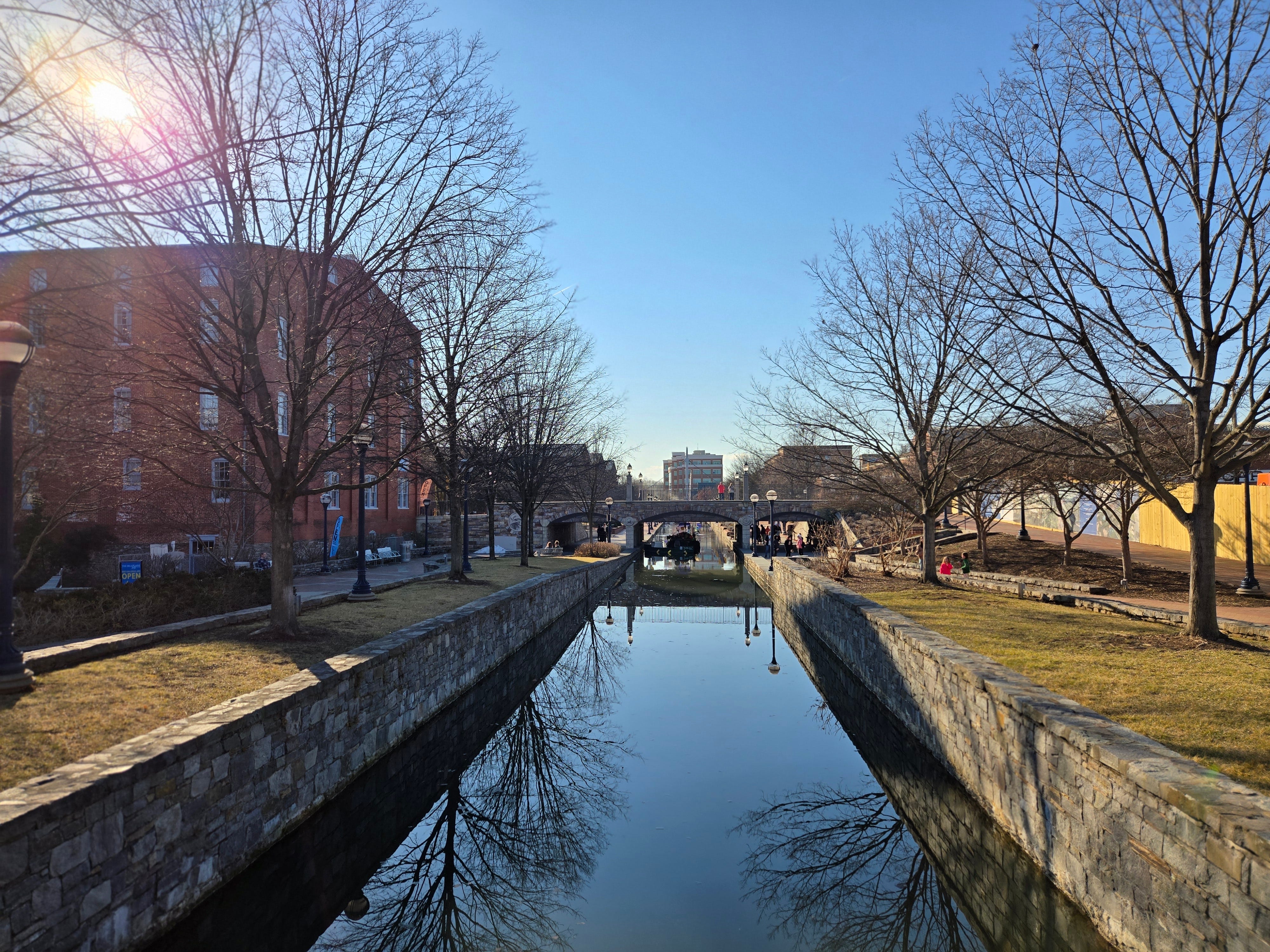
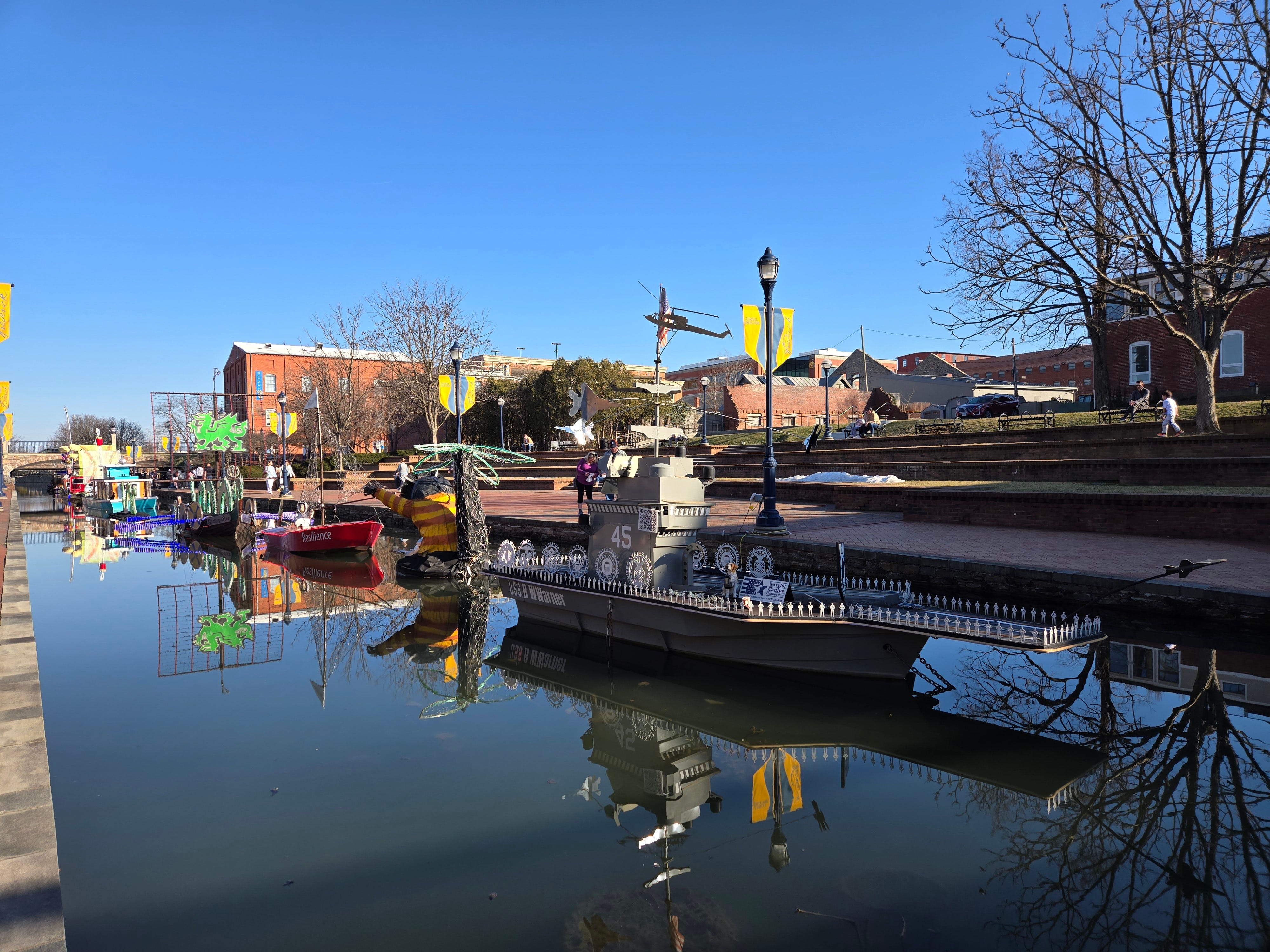
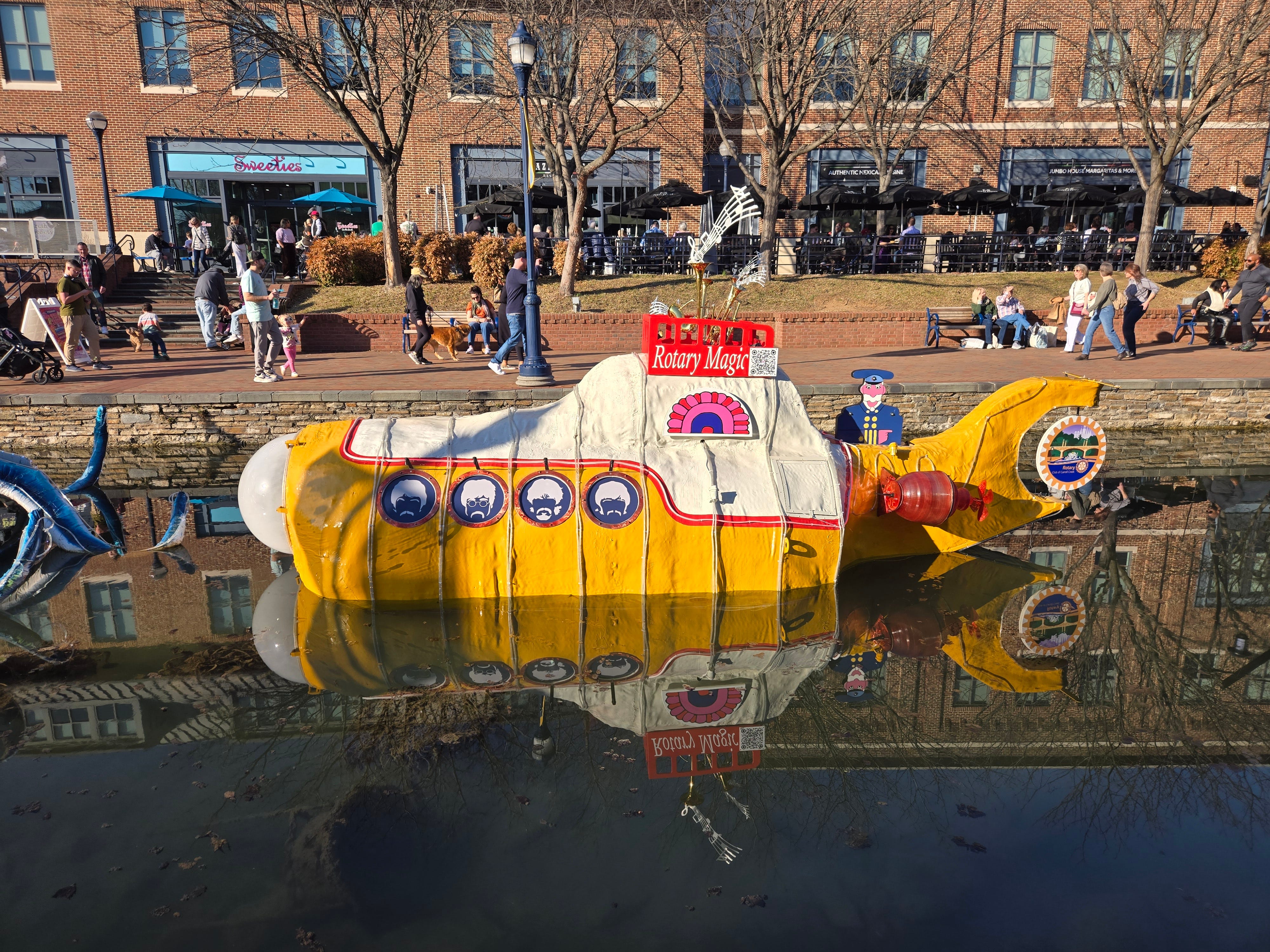
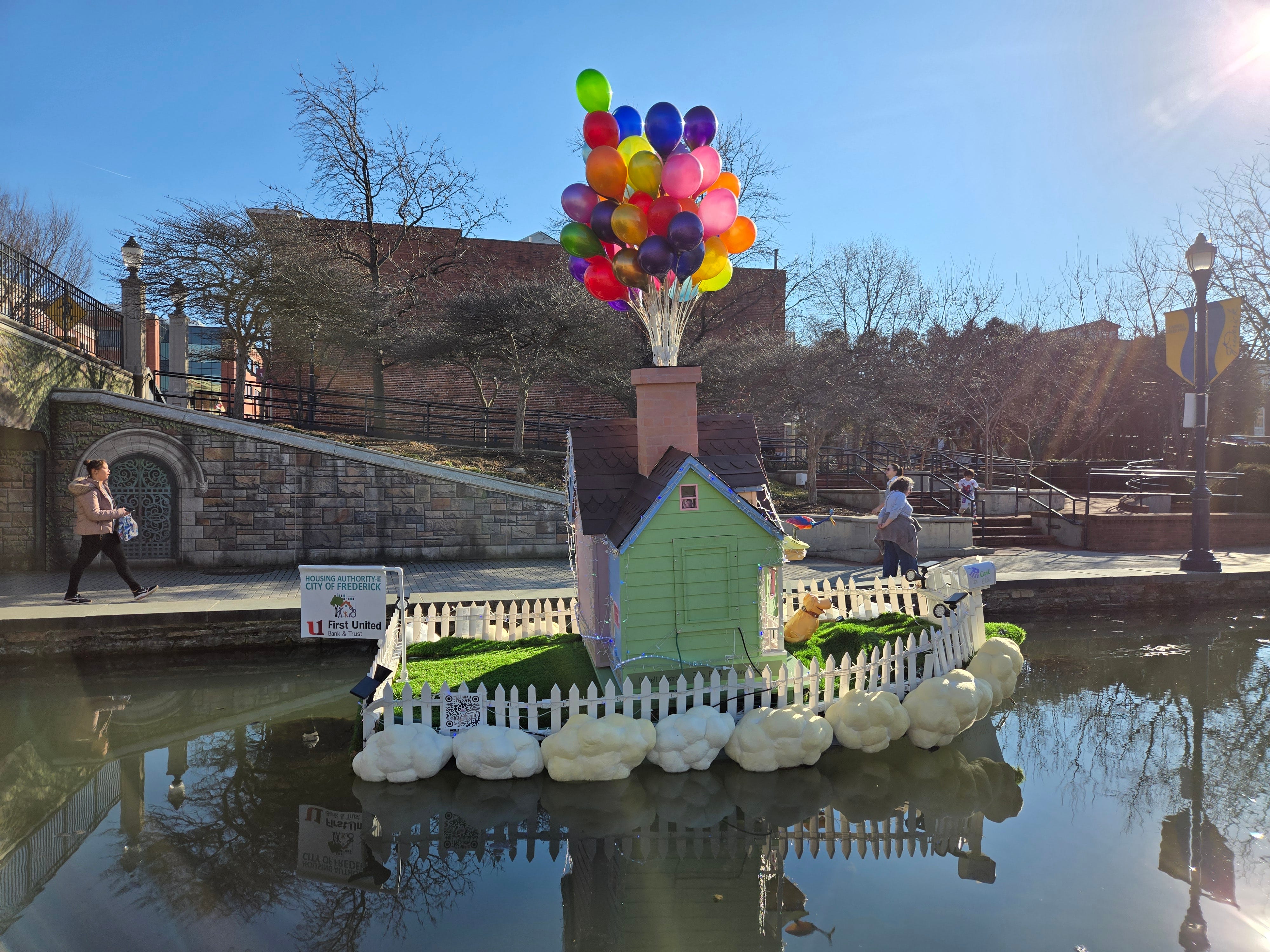
We walked along Frederick’s river park, which is very nice. There’s a new hotel going in right along the path, which I’m sure will be quite nice when it’s done. There was also this boat float display going on, which we did not know about, and was a pleasant surprise.
Then we just walked around the commercial blocks and checked out the various stores. (Unfortunately one store we remembered from a previous visit, a pasta and specialty food shop with all sorts of flavored pastas, was gone.) The nice thing about the downtown form is that you can see other things, though. Churches, civic buildings, schools, historical plaques, and homes might all be sprinkled in or very nearby. You really can get a glimpse—narrow and incomplete, but still—of the whole place.
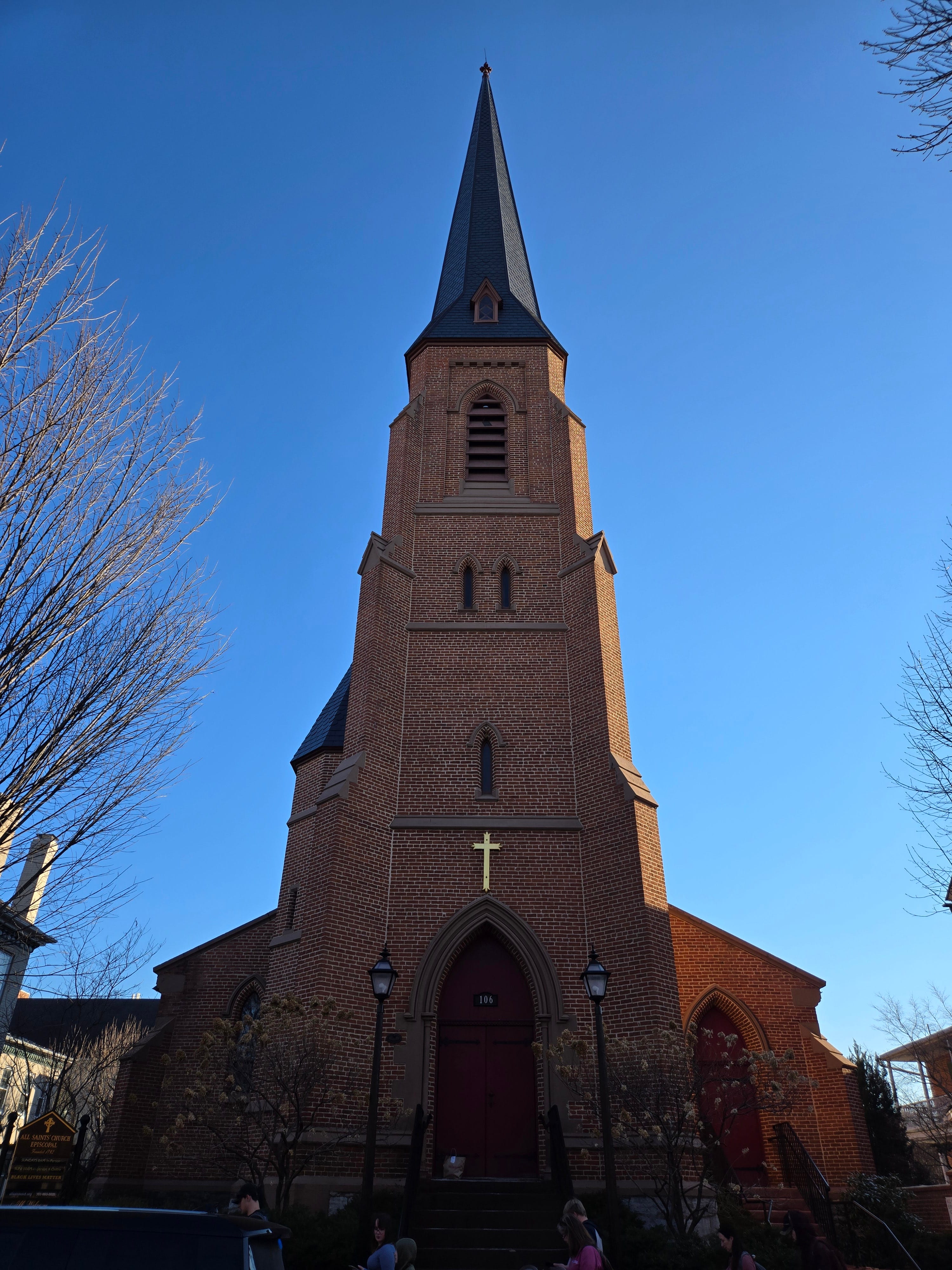
It isn’t as if I have to tell most of the folks reading this newsletter that traditional urbanism is cool, but I’m still always struck by how much more of a complete activity it feels like to go to an actual city and walk/shop/eat than to do the same thing in suburbia. (But I will come back to this point.)
We took a look at this stationery/knitting shop, which must have been in an old bank, because this cool old vault had been repurposed as a small room of the shop.
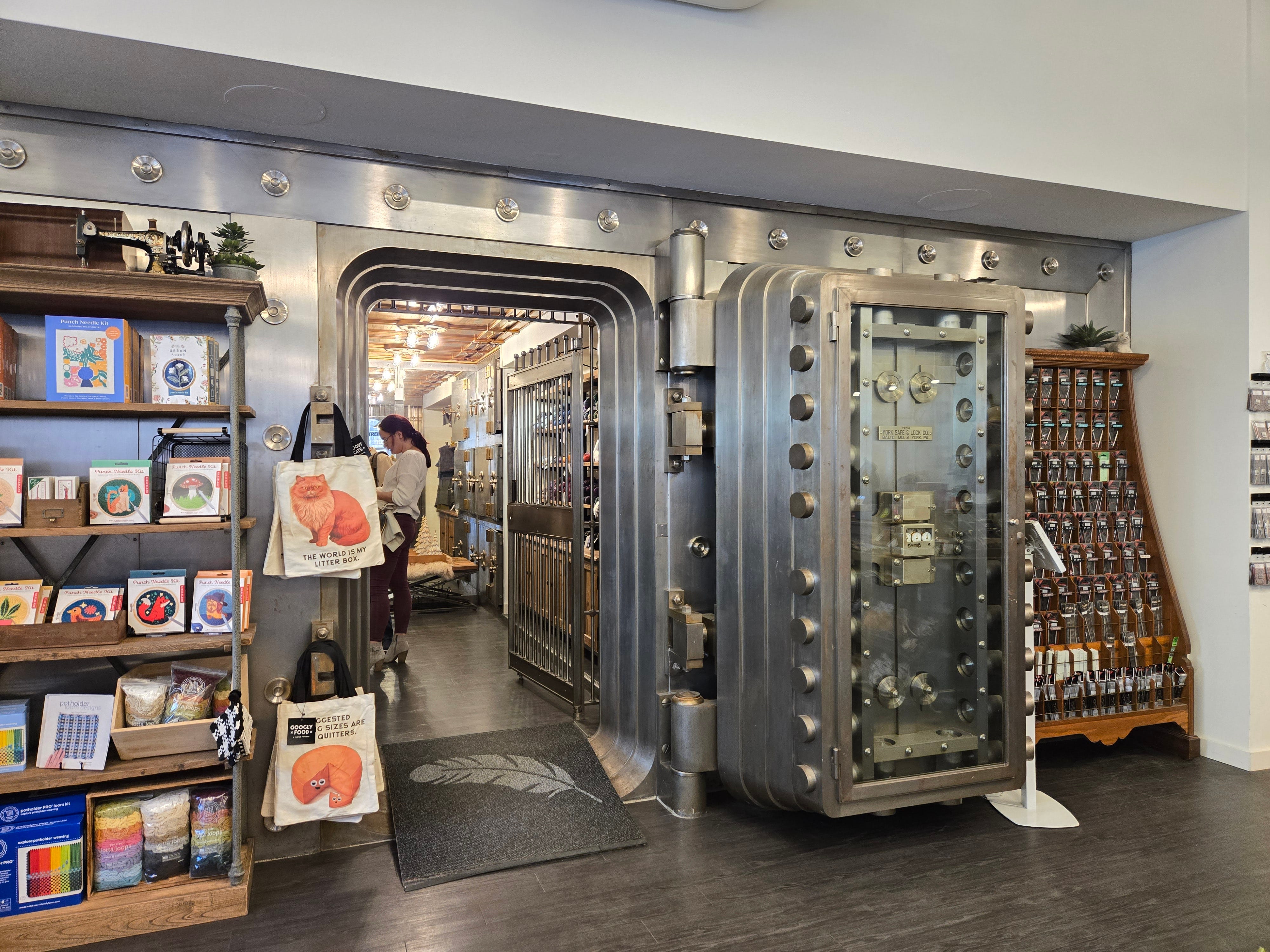
Another store, a kitchen and cooking equipment store, had a couple of little semi-enclosed rooms in the back, too. (I bought a ceramic ginger grater there, and almost impulse-bought a discounted lazy Susan.)
I love when stores have these nooks and crannies instead of being just plain squares. It engages your brain in some way; that visual variety does something to keep you there, to give you that pleasant, excited feeling of wanting to buy stuff. There is so much more mental stimulation packed into a small space. That is the best of what density can be.
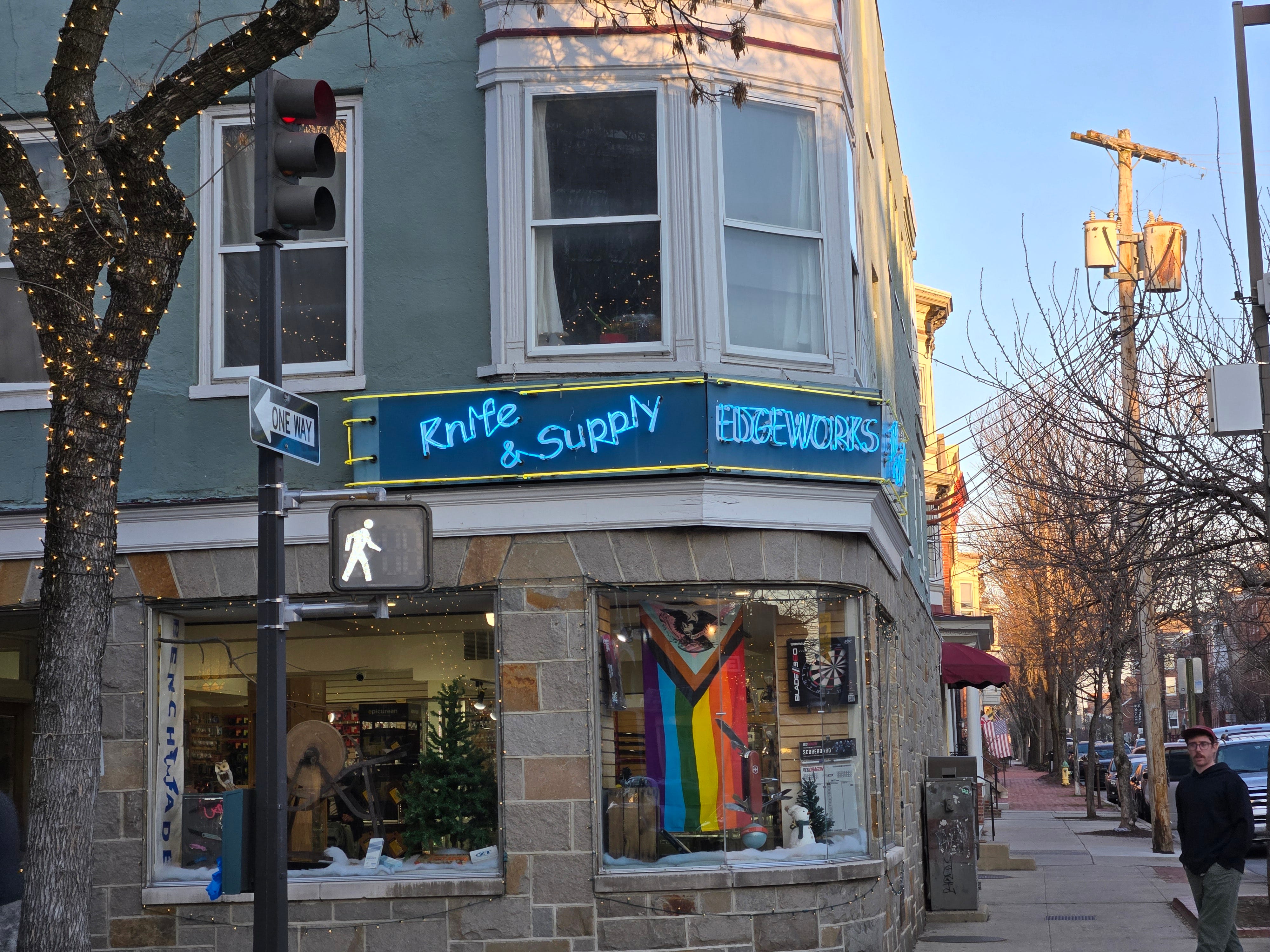
The trees were still strung with Christmas lights, and this sport and kitchen knife shop still has a neon sign. The streets are very pleasant to walk, and there are few commercial vacancies.
But one of the things we encountered was the apparent absence of any bathrooms in the downtown area. Most of the small shops have no bathroom or don’t want the public to use it. There are no generic corporate chains downtown with open bathrooms. I had to go to a Starbucks, where they wouldn’t give me the bathroom code without me saying I would buy something.
I was going to buy something, but when I got out, there was a line and we had dinner reservations for which we were about to be late. So I quickly walked out and hoped nobody saw me. I probably wouldn’t have done that with a small business.
This is the kind of situation into which a self-respecting (and yes, probably privileged) person does not want to be put. Or anybody. It’s one of the friction points of downtowns versus suburban shopping areas. And it only becomes more of friction point when you’re in a group, with kids, with elderly folks, etc. Add the sometime-frustration of parking, and going downtown becomes a chore, something for which you have to give something up. On some level, for those who have the choice, you feel exposed.
It strikes me as a similar phenomenon (though for different reasons) to the D.C. Metro infamously banning even the sipping of water, under the notion that making the trains orderly and sparkling clean would make them feel comfortable for more affluent riders with the choice to drive. But it really has the opposite effect. What person of some means wants to be forced into a metal tube with the general public and be so controlled that you’re not even allowed a sip of water? It’s sort of like achieving public safety with omnipresent policing and surveillance.
The point is that a lot of public amenities and conveniences—like bathrooms, water fountains, places for kids to horse around, etc.—are actually easier to find in suburbia, and are de facto provided by corporate chain businesses or private mixed-use developments, than they are to find in old historic downtowns. Which—along with the frequent absence of useful, everyday businesses—is a point that actual old towns and cities struggle with in competing for residents and visitors.
Now. As it happens, Frederick does have public bathrooms downtown, including near the river walk park and our parking garage! But I saw no signs for them, and it isn’t obvious they’re there. (Getting wayfinding right is another important thing, especially for complicated things like transit systems.)
This also raises another irony I’ve noticed: it’s easier to get away from cars in suburbia than it is a city. In suburbia, you can easily be enclosed in a mall or a store: out of the elements, and away from motor traffic. In a city, you’re exposed to the elements and to car traffic when you’re on the street, and the stores tend to be smaller and more varied, so a shopping visit/stroll means more total time outside and right near the cars (and the noise and the exhaust.)
Four or five times, we heard stupidly loud cars revving their engines. And it’s just ironic that if I were inside a Walmart I’d be none the wiser to it, but I had to hear that over and over again because I was in a historic downtown.
Anyway, I find it interesting how old urbanism is unmatched in terms of the joy of just being in a complex, evolved, organic place, but private suburban properties are often the least frictional places to just do your business, of any sort.
Thoughts?
Related Reading:
Archive Dive: I’m From Walmart, New Jersey
Thank you for reading! Please consider upgrading to a paid subscription to help support this newsletter. You’ll get a weekly subscribers-only piece, plus full access to the archive: over 1,500 pieces and growing. And you’ll help ensure more like this!
I really find on of the worst things about going to unfamiliar places in the USA to be the lack of public toilets. I understand the reason, our homelessness is out of control and many young people have little respect for public spaces. Still, it is frustrating. In the UK, public pay toilets are common and owners and employees of small restaurants and pubs do not seem to take any issue with a quick visit to the loo even if one is not purchasing. Denmark is a step higher with common free public toilets that are clean and in working order. Day to day life is made very nice by having a high trust society.
The only place I travel to regularly is Tokyo so I don't know if this is a Japan thing or an "everyplace except America" thing, but one of the greatest things about the city, seriously, is that there are public toilets everywhere. In every metro station, in every little park, etc. It's just so much easier to exist in a human body there.
I do think that one reason they're so good at this is a grim one - it's part of disaster preparedness infrastructure - but that doesn't mean we couldn't follow the example.